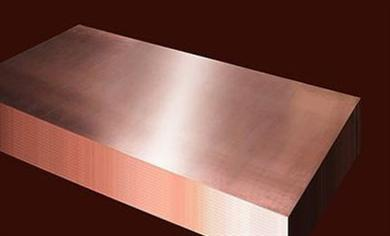
Have you ever fallen in love with a copper tabletop, only to regret it a month later?
We’ve all been there. That incredible polished copper plate 3mm for dinner table looked stunning in the showroom. But then came the first water ring. The tarnish. The scratch from a fork. Suddenly, your dream table feels like a nightmare. We get it. We’ve been in the field for over two decades, and we’ve seen these mistakes happen over and over. Let’s talk about what not to do. This is your warning guide.
1. Is a polished copper plate 3mm safe for direct food contact on my dinner table?
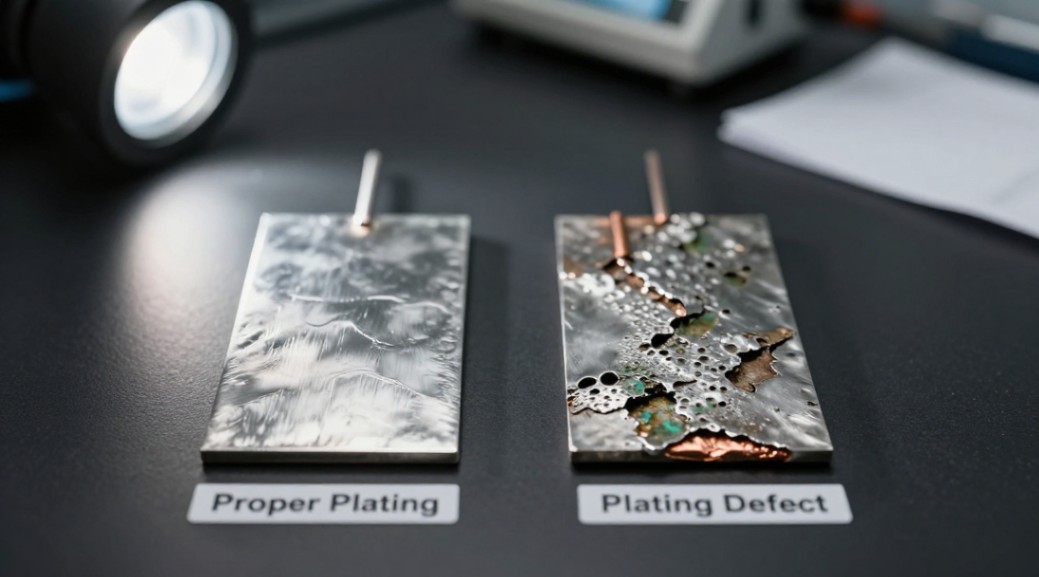
Absolutely not. This is mistake number one. Raw copper reacts with acidic foods like lemon juice, vinegar, or tomatoes. It can leach copper ions into your food. Too much copper is toxic. Industry data from the NSF International shows that copper surfaces must be coated for food contact. You must use a proper clear sealant or lacquer. We recommend a food-safe, high-temperature epoxy or a specialized marine-grade lacquer. Apply at least three coats, and let it cure for 72 hours. No shortcuts.
2. How do I keep the polished shine without ruining the surface?
Stop using harsh chemicals. Many people grab a glass cleaner or bleach. That’s a fast track to disaster. Polished copper is soft. Only use a mild soap and water solution (pH neutral). Dry immediately with a microfiber cloth. Never let water pool. For shine, use a specialized copper polish like Brasso or Nevr-Dull once a month. But test on a hidden area first. Better yet, apply a clear lacquer as mentioned above. That locks in the shine and reduces maintenance by 80%.
3. Is 3mm thickness really durable enough for a dinner table?
Yes, but with conditions. A 3mm polished copper plate is structurally stable for a tabletop. It resists dents from normal use. However, it won’t survive a heavy object dropped from a height. A cast iron skillet? That’ll leave a dent. The copper itself is ductile, so it can deform. We recommend a rigid substrate underneath (like plywood or MDF) to support the copper. Glue it down with a strong epoxy. Don’t just lay the plate on top. That’s a mistake.
4. How heavy is a 3mm copper plate for a dinner table? Will my table collapse?
Let’s do the math. Copper weighs about 8.96 grams per cubic centimeter. A 3mm thick plate (0.3 cm) sized 2 meters by 1 meter (200 cm x 100 cm) equals 6000 cubic centimeters. That’s roughly 53.8 kg (118 lbs). That’s heavy. Your table base must be built to support that weight. A flimsy central pedestal is a bad idea. We’ve seen tables tip over. Use a sturdy base with four legs or a solid frame. Always check the total weight before buying.
5. Should I let the copper patina naturally or preserve the polished look?
This is a personal choice, but here’s the warning: patina happens fast. If you skip the lacquer, your polished copper plate will turn brown, then green within months. Some people love that aged look. But if you want the mirror shine, you must seal it. No debate. If you go natural, be prepared for uneven coloring. Spills, finger oils, and humidity create splotchy patches. We recommend a clear lacquer unless you’re going for a rustic, antique vibe. And if you do want patina, apply a patina accelerator (like liver of sulfur) to control the process instead of leaving it to chance.
6. What are the best ways to install a polished copper plate on a table base?
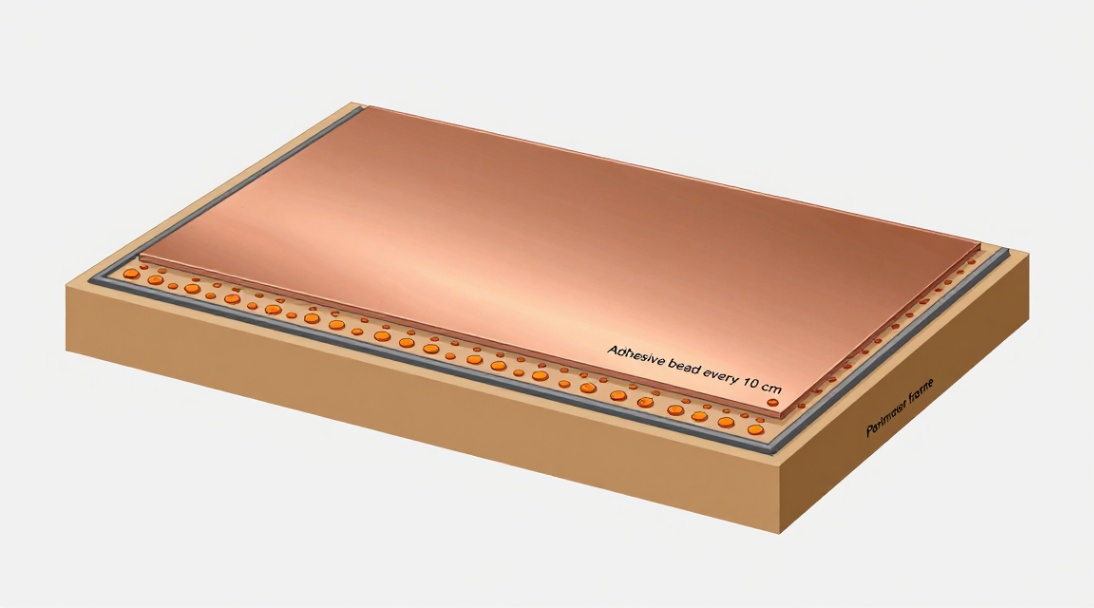
Three options, but only one is safe. Option A (wrong): Screws through the copper. This creates stress points and cracks. Option B (wrong): Double-sided tape. It fails over time, especially with heat. Option C (right): Use a construction adhesive like PL Premium or a two-part epoxy. Apply a bead every 10 cm along the perimeter and in a grid pattern. Let the adhesive fully cure for 24 hours. Then add a perimeter frame (wood or metal) to hide the edges. This prevents movement and keeps the copper flat.
7. How do I care for scratches and heat marks during daily use?
Scratches are inevitable on a polished copper plate 3mm. But you can minimize them. Use coasters, placemats, and trivets. Never put a hot pot directly on the copper. Heat can discolor the lacquer or soften the adhesive. For minor scratches, you can buff them out with a 0000 steel wool pad (only if uncoated). If lacquered, you’re stuck – you’ll need to strip and reapply. For heat marks, a damp cloth on a warm stain may lift it. But permanent damage is common. We recommend using a heat-resistant mat under serving dishes.
8. How does polished copper compare to stainless steel or brass for a tabletop?
Let’s break it down with a quick comparison table:
| Material | Polished Copper 3mm | Stainless Steel 2mm | Brass 3mm |
|---|---|---|---|
| Weight (per sq m) | ~53 kg | ~31 kg | ~51 kg |
| Maintenance | High (lacquer needed) | Low | Medium (lacquer or polishing) |
| Heat Resistance | Moderate (lacquer can fail) | Excellent | Good |
| Aesthetic | Warm, reflective, unique | Cold, industrial | Gold-like, elegant |
| Cost (per sq m) | ~$150-$250 | ~$80-$120 | ~$200-$350 |
| Scratch Resistance | Low (soft metal) | High | Medium |
Our advice: If you want the warm glow of copper, go for it. But be ready for the extra care. Stainless steel is easier, but it lacks the character. Choose based on your lifestyle.
9. Where should I source a 3mm polished copper plate, and what sizes are available?
Don’t buy from a random online seller without checking the grade. Look for 110 copper (C11000) – it’s the standard for decorative use. Standard sheet sizes are 4’x8′ (1220mm x 2440mm) or 4’x10′ (1220mm x 3050mm). Most suppliers offer custom cutting to your exact dimensions. Expect a lead time of 5-10 business days. And always ask for a polished finish sample. The quality of polishing varies wildly. Cheap plates often have scratches or uneven reflection. We’ve seen plates that look like mirrors in photos but are dull in person. Get a sample first.
10. What about alternatives like brushed copper or thinner gauges?
Thinking of saving money? A brushed copper finish hides scratches better, but it’s not as eye-catching. Thinner gauges like 2mm or 1.5mm are lighter and cheaper, but they will warp. A 2mm plate on a large table will develop a ‘potato chip’ effect over time. Trust us, 3mm is the minimum for structural stability. If weight is a concern, consider a copper veneer over a plywood core. But you lose the solid feel. For budget-friendly, go with a polished copper plate that’s 3mm and accept the weight. It’s worth it.
Final warning: test your lacquer on a small spot before committing.
We’ve seen too many ruined tabletops because someone used a cheap spray lacquer that yellowed within weeks. Use a professional-grade, UV-stable, food-safe clear coat. Apply it in a dust-free environment. And remember: a polished copper plate 3mm for dinner table is a statement piece. Treat it with respect, and it will last for decades. Ignore these warnings, and you’ll be stripping it down in six months. Now go make that table, but do it right.
About CopperGroup
CopperGroup is a trusted global chemical material supplier & manufacturer with over 12 years experience in providing super high-quality copper and relative materials. The company export to many countries, such as USA, Canada,Europe,UAE,South Africa, etc. As a leading nanotechnology development manufacturer, CopperGroup dominates the market. Our professional work team provides perfect solutions to help improve the efficiency of various industries, create value, and easily cope with various challenges. If you are looking for copper products, please feel free to contact us!