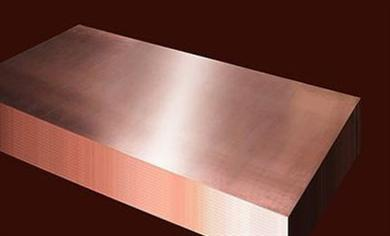
My First Big Order: A Lesson in Copper
I remember it like it was yesterday. A young engineer, bright-eyed, called me in a panic. He had ordered a pallet of wholesale copper sheet for electrical applications for a new switchgear line. The price was right. But when his team tried to bend the sheets for the busbars, they cracked. Every single one.
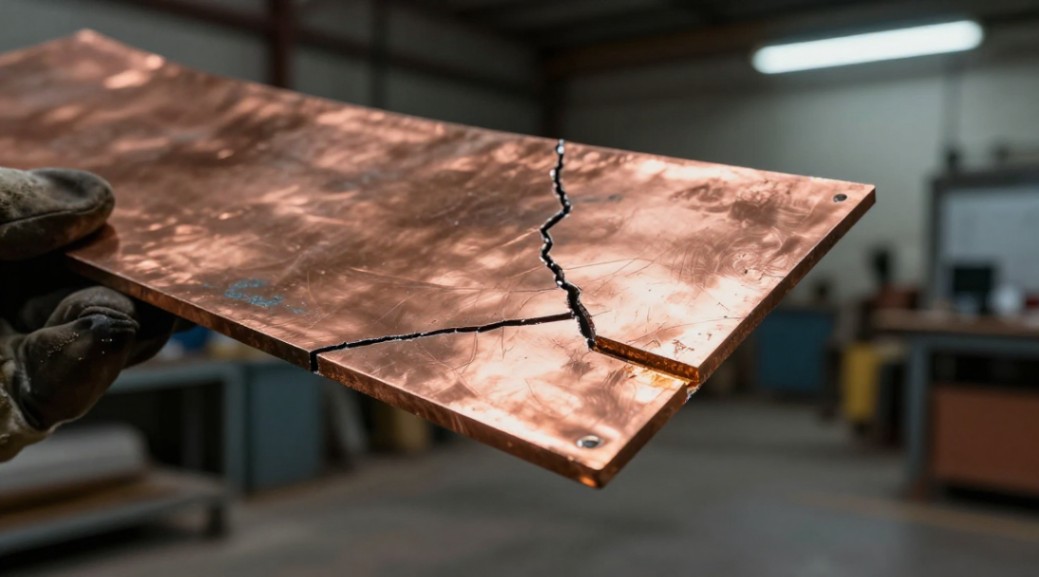
Why? He bought hard temper sheet when he needed half-hard. He didn’t check the ASTM certification. He trusted a cheap price over a reliable specification. That mistake cost him two weeks of downtime and a rush order at triple the cost.
I don’t want that to happen to you. With over 20 years in this industry, I have seen every mistake in the book. This guide is your roadmap to buying wholesale copper sheet for electrical applications correctly the first time. Follow these steps. They work.
Step 1: Match the Alloy Grade to Your Electrical Need
Not all copper is created equal. For electrical work, you have two primary choices. Picking the wrong one is the first step toward failure.
- C11000 (Electrolytic Tough Pitch – ETP): This is your workhorse. It offers 100% IACS (International Annealed Copper Standard) conductivity. It is strong, reliable, and the most common grade for busbars, switchgear, and grounding. Use this for 99% of your high-power applications.
- C10100 (Oxygen-Free High Conductivity – OFHC): This is the premium option. It offers slightly higher conductivity (101% IACS) and is free of oxygen. This matters in vacuum environments or when you need the most consistent performance for sensitive electronics. It costs more. Use it only where spec demands it.
Your move: Always specify C11000 for standard electrical work. If a vendor offers a mystery alloy, ask for the ASTM cert. Do not accept a lower grade to save a few cents.
Step 2: Pick the Right Temper for Formability
Temper determines how your sheet behaves under stress. Get this wrong like my engineer friend, and your project breaks.
- Soft (Annealed): Extremely bendable. Use this for intricate grounding straps or gaskets. It is soft, so it dents easily.
- Half-Hard (H02): The sweet spot. It holds shape well but bends readily for busbar fabrication. This is my go-to recommendation for general switchgear and panel work.
- Hard (H04): Very stiff. Use this only for flat, straight pieces that need maximum strength, like rigid support bars. Do not try to bend it significantly.
Think about your fabrication process. Are you punching, bending, or shearing? Choose your temper to match those steps.
Step 3: Specify Thickness, Width, and Length for Your Job
Wholesale suppliers stock standard sizes. You need to know what works for your design.
- Thickness: Common electrical sheets range from 0.016 inches (0.4 mm) for laminations up to 0.5 inches (12.7 mm) for heavy busbars. Thicker means higher current capacity but harder to bend.
- Width and Length: Standard widths are 36 inches, 48 inches, or 60 inches. Lengths vary. Plan your cut plan to minimize waste. A 4×8 foot sheet is common, but a 4×10 foot sheet might save you a joint in a long busbar run.
Order Tip: If you need many small pieces, ask about master coils or slit strips. This can reduce cut-to-length charges.
Step 4: Understand Surface Finish for Contact Performance
Surface finish isn’t just cosmetic. It affects electrical contact resistance and heat generation.
- Mill Finish: Standard as-rolled surface. Acceptable for most internal busbars and grounding plates where contact is bolted.
- Polished: Required for exposed switchgear or where sliding contacts occur. A smoother surface reduces hot spots.
- Bare (deburred): Edges must be clean. Sharp burrs cause arcing and injury.
For high-current applications, specify that contact surfaces must be free of pits and scale.
Step 5: Verify Compliance with ASTM Standards
Your project will be inspected. You need the paperwork to prove your material is right.
- ASTM B152 / B152M: The standard specification for copper sheet, strip, and plate. This covers dimensions, tolerances, and allowable defects.
- ASTM B370: Covers copper sheet and strip for building construction (often used in grounding and roofing).
- Mill Test Report (MTR): Always request one. It verifies the chemical composition and physical properties of your batch.
Logic Check: If a supplier cannot provide an MTR for their wholesale copper sheet for electrical applications, walk away. It means they don’t test their own material.
Step 6: Evaluate Purity and Conductivity Testing
You need assurance your copper will carry the rated current without overheating.
- IACS Percentage: Insist on material testing at 100% IACS minimum for ETP copper (C11000). The cert should state the measured value.
- Conductivity Test: Ask if the supplier uses an eddy current tester or a four-point probe. This verifies homogeneity across the sheet.
Do not rely on verbal promises. Demand the test results on the MTR.
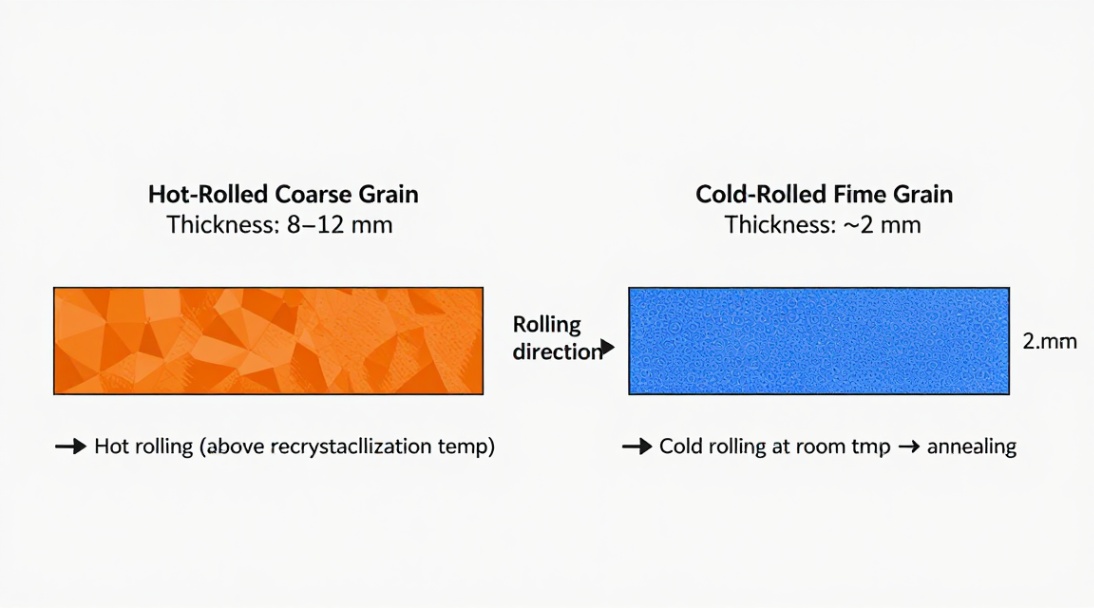
Step 7: Inspect Edge Condition for Tight Tolerances
Edges matter for assemblies that slide into grooves or have tight spacing.
- Slit Edges: Clean and straight. Best for transformer windings or laminations.
- Sheared Edges: Can leave a slight burr. Acceptable for general purpose.
- Machined Edges: Precision square edges. Required for switchgear busbars that must fit precisely into enclosures.
Specify your edge requirement on the purchase order. A standard quote is for sheared edges unless you ask otherwise.
Step 8: Understand Wholesale Pricing and MOQs
Price is driven by the London Metal Exchange (LME). But there is more to it.
- Copper Market Index (LME): Your base price. Expect a plus-up (premium) for processing and margin.
- Volume Discounts: You typically see better per-pound pricing at 5,000 lbs and above.
- Cut-to-Length Upcharges: Standard sheet sizes are cheaper. Custom lengths cost extra.
- Minimum Order Quantities (MOQ): Many mills require a 500-lb minimum per item. Service centers may sell less, but at a higher per-pound price.
Lead times vary. Stock material ships in 1-2 weeks. Mill direct production can take 6-8 weeks. Plan ahead.
Step 9: Plan for Packaging to Prevent Oxidation
Copper oxidizes when exposed to air and moisture. This causes a dull, non-conductive surface layer.
- Interleaved Paper: Provides a chemical barrier. Essential for polished sheets.
- Wooden Crates: Protects against physical damage during transit.
- Sealed Bundles: Plastic wrap with desiccant packs for long-term storage or humid climates.
Specify packaging in your agreement. If the material arrives corroded, it is useless for electrical contact.
Step 10: Weigh Domestic vs. Imported Supply Chains
Global sourcing can save money but carries risk.
- Domestic Mills: Faster delivery, easier quality audits, and predictable compliance with ASTM specs. Slightly higher cost.
- Imported Supply: Lower unit price, but longer lead times. You risk inconsistent quality and tariff impacts (like Section 232 tariffs on steel and aluminum, which may not apply to copper but trade policy changes). Logistical delays can kill a project schedule.
My advice: For critical electrical applications, prioritize domestic or certified import partners with a strong track record.
Stop Guessing. Start Building with Confidence.
You now have the checklist. You know the grades, tempers, finishes, and paperwork required. You understand how sourcing decisions affect your bottom line.
Here is the hard truth: A low price on wholesale copper sheet for electrical applications often comes with hidden costs—bad edges, wrong temper, no MTR. Those costs show up when your equipment fails or your inspector rejects the shipment.
Do not let that happen to you.
I built my career helping engineers avoid exactly these pitfalls. Today, I run a sourcing desk that supplies certified, ASTM-compliant wholesale copper sheet for electrical applications to manufacturers across North America. We test every batch. We ship on time. We back our material with full documentation.
Click here to request a quote for your next project. Tell us your alloy, temper, thickness, and quantity. We will send you a competitive price and a certified MTR within 24 hours. Let’s get your project built right.
About CopperGroup
CopperGroup is a trusted global chemical material supplier & manufacturer with over 12 years experience in providing super high-quality copper and relative materials. The company export to many countries, such as USA, Canada,Europe,UAE,South Africa, etc. As a leading nanotechnology development manufacturer, CopperGroup dominates the market. Our professional work team provides perfect solutions to help improve the efficiency of various industries, create value, and easily cope with various challenges. If you are looking for copper products, please feel free to contact us!