Key takeaways
- Brass is a copper-zinc alloy valued for machinability and acoustic properties.
- Bronze is a copper-tin alloy known for strength and corrosion resistance, especially in marine environments.
- Nickel silver is a copper-nickel-zinc alloy with a silvery appearance and no actual silver content.
- The choice among these alloys depends on mechanical requirements, corrosion resistance, machinability, and cost.
Introduction to Copper Alloys in Practice
Copper alloys combine copper with other elements to improve properties like strength, corrosion resistance, or appearance. In practice, three copper alloys are particularly important: brass, bronze, and nickel silver. Each has distinct characteristics that suit different applications, from musical instruments to marine hardware, and bare copper wire is often used in transformer winding applications.
Pure copper is soft and highly conductive, and its electrical and thermal conductivity make it essential for many applications. Adding zinc, tin, or nickel allows manufacturers to adjust mechanical properties, color, and durability. Knowing the differences between these three alloys helps engineers, designers, and buyers choose the right material.
This guide compares the composition, properties, and typical applications of brass, bronze, and nickel silver, and also discusses copper rod for busbar connections, to support informed material selection.
Brass, Bronze, and Nickel Silver: Definitions and Key Characteristics
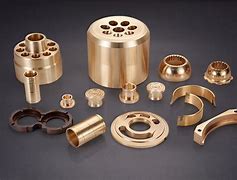
Brass is a copper-zinc alloy. Its color varies from reddish-gold to silvery based on zinc content. It offers excellent machinability, good acoustic properties, and moderate corrosion resistance. Common applications include musical instruments, plumbing fittings, decorative trim, and electrical terminals. Some grades contain small amounts of lead to improve machinability.
Bronze is primarily a copper-tin alloy, though elements like aluminum or phosphorus are sometimes added. It is harder and more wear-resistant than brass, with superior corrosion resistance, especially in saltwater. Typical applications include bearings, gears, marine propellers, statues, and coins. The tin content gives bronze a reddish-brown color.
Nickel silver, also called German silver, is an alloy of copper, nickel, and zinc. Despite the name, it contains no silver. Nickel gives it a silvery-white color, along with increased strength and corrosion resistance. It is commonly used in jewelry, cutlery, medical instruments, and electrical components, and is a popular base for silver plating because of its appearance and durability.
Comparing Brass, Bronze, and Nickel Silver
To choose between these copper alloys, compare them across several practical dimensions. The table below summarizes the main differences in composition, key properties, typical applications, corrosion resistance, and machinability. Use it as a starting point for material selection.
| Dimension | Brass | Bronze | Nickel Silver |
|---|---|---|---|
| Composition | Copper + Zinc | Copper + Tin | Copper + Nickel + Zinc |
| Key Properties | Good machinability, acoustic, moderate strength | High strength, wear resistant, excellent marine corrosion resistance | Silvery appearance, good strength, corrosion resistant |
| Typical Applications | Fittings, instruments, decorative trim | Bearings, marine hardware, statues, coins | Jewelry, cutlery, medical instruments, electrical components |
| Corrosion Resistance | Moderate (dezincification risk in some environments) | Excellent, especially in saltwater | Good, generally better than brass |
| Machinability | Excellent | Good | Good |
Practical Applications and Selection Guide
Selecting the right copper alloy depends on project requirements. For applications demanding high machinability and a golden appearance, brass is often the most cost-effective choice. It is widely used in plumbing, musical instruments, and decorative hardware where moderate corrosion resistance is sufficient.
Bronze is preferred where corrosion and wear resistance are critical, especially in marine and industrial settings. Its strength and low friction make it ideal for bearings, bushings, and heavy-duty components. Bronze is also a traditional material for sculptures and medals because of its durability and patina.
Nickel silver fills the gap between brass and bronze when a silvery appearance and good corrosion resistance are needed without the cost of real silver. It is commonly used in tableware, jewelry, and electrical connectors, and also serves as a reliable substrate for silver plating.
Cost is also a factor: brass is generally the most affordable, followed by nickel silver, while bronze can be more expensive depending on the alloy. However, material cost should be balanced against performance requirements and service life. Consult material datasheets or experts for precise specifications in critical applications.
Frequently asked questions
What is the main difference between brass and bronze?
The main difference is composition: brass is an alloy of copper and zinc, while bronze is an alloy of copper and tin. This gives bronze higher strength and better corrosion resistance, especially in marine environments, whereas brass offers superior machinability and a golden color.
Is nickel silver real silver?
No, nickel silver contains no silver. It is an alloy of copper, nickel, and zinc that mimics the appearance of silver but is more durable and less expensive.
Which copper alloy is best for marine applications?
Bronze is generally the best choice for marine applications due to its excellent resistance to saltwater corrosion and high strength. Brass can suffer from dezincification in seawater, making it less suitable.
Can brass and bronze be used interchangeably?
No, they cannot always be used interchangeably. Brass is better for high-machinability parts and decorative items, while bronze is preferred for high-stress, corrosive environments. The choice depends on the specific requirements of the application.
CopperGroup is a trusted global chemical material supplier & manufacturer with over 12 years experience in providing super high-quality copper and relative materials. The company export to many countries, such as USA, Canada,Europe,UAE,South Africa, etc. As a leading nanotechnology development manufacturer, CopperGroup dominates the market. Our professional work team provides perfect solutions to help improve the efficiency of various industries, create value, and easily cope with various challenges. If you are looking for copper products, please feel free to contact us!