Key takeaways
- Copper production involves three main stages: mining, smelting, and refining.
- Mining methods include open-pit and underground, with froth flotation or heap leaching for concentration.
- Smelting converts concentrate to blister copper using high-temperature furnaces and converters.
- Refining (fire or electrolytic) achieves 99.9%+ purity essential for electrical and alloy applications.
- Environmental and economic factors influence production choices and supply chain decisions.
What Are Copper Mining, Smelting, and Refining?
Copper mining, smelting, and refining are the three stages that convert copper ore into high-purity metal. Mining extracts copper minerals from the earth; smelting separates copper from sulfur and iron in the concentrate; refining further purifies the copper to meet industrial standards. Together, these processes produce one of the most widely used non-ferrous metals in electrical, construction, and transportation applications, including copper grades and their uses.
The sequence starts with exploration and ore extraction. Depending on ore grade and deposit type, open-pit or underground mining is used. After mining, the ore is crushed, ground, and concentrated before smelting. Smelting yields blister copper, which is then refined electrolytically or through fire refining to achieve 99.9% or higher purity.
Each stage involves distinct technologies, energy inputs, and environmental controls. The overall chain helps stakeholders evaluate production costs, supply chain risks, and the sustainability profile of copper products.
Copper Mining: Extraction Methods and Ore Preparation
Copper mining typically starts with open-pit mining for low-grade porphyry deposits, which account for the majority of global production. In this method, large quantities of overburden are removed to expose the ore body. Underground mining is used for higher-grade or deeper deposits, but it involves higher costs and more complex ventilation and safety systems.
Once extracted, the ore is crushed and ground to reduce particle size. This is followed by froth flotation, which separates copper sulfides from gangue minerals. The result is a copper concentrate containing 25–30% copper, sent to smelters. For oxide ores, heap leaching with sulfuric acid is sometimes used instead of flotation, producing a copper-rich solution that undergoes solvent extraction and electrowinning (SX-EW).
Mining requires substantial water, energy, and land resources. Tailings management and dust control are critical environmental considerations at this stage.
Smelting: Converting Concentrate to Blister Copper
Smelting is the high-temperature process that converts copper concentrate into blister copper. The concentrate is dried and fed into a furnace, where it is heated to around 1200°C in an oxidizing atmosphere. Sulfur reacts with oxygen to form sulfur dioxide, while iron is removed as slag by adding silica flux. The molten product, called matte, contains roughly 50–70% copper.
The matte is then transferred to a converter, where air or oxygen is blown through the melt to further oxidize remaining iron and sulfur. This produces blister copper, named for the gas bubbles that form on its surface. Blister copper is about 98–99% pure. The sulfur dioxide captured during smelting can be converted to sulfuric acid, a valuable byproduct that helps offset production costs.
Modern smelters use technologies like flash smelting or ISASMELT to improve energy efficiency and reduce emissions. Smelting remains a capital-intensive process and a major source of industrial SO2 emissions if not properly controlled.
Refining: Achieving High-Purity Copper
Refining is the final stage that raises copper purity from around 99% to 99.9% or higher, meeting requirements for electrical conductors and alloys. Two main refining routes exist: fire refining and electrolytic refining. Fire refining is applied when the initial purity is already high; it involves oxidizing impurities in a furnace and then reducing the melt with natural gas or ammonia.
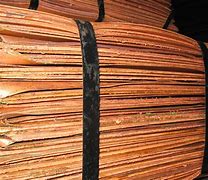
Electrolytic refining is the standard method for achieving the highest purity. Blister copper is cast into anodes, which are placed in an electrolyte bath of copper sulfate and sulfuric acid. When an electric current is applied, copper dissolves from the anode and deposits onto stainless steel or copper cathodes. Impurities like gold, silver, and platinum settle as anode slimes and are recovered separately.
The final product is cathode copper (or electrolytic tough pitch copper). Refining accounts for a small portion of total energy consumption in the copper production chain, but it is essential for enabling high-performance applications in electronics, wiring, heat exchangers, and copper alloys in practice, such as brass, bronze, and nickel silver.
Environmental and Economic Considerations in Copper Production
Copper production has significant environmental impacts, including land disturbance from mining, water consumption, tailings storage, and greenhouse gas emissions from energy-intensive smelting. However, copper is highly recyclable, and secondary production from scrap requires only a fraction of the energy of primary production. Many mines and smelters are investing in renewable energy, water recycling, and cleaner smelting technologies to reduce their footprint.
Economically, copper prices are influenced by ore grades, energy costs, regulatory changes, and global demand—especially from the electrical and construction sectors. The shift toward electric vehicles and renewable energy infrastructure is expected to drive sustained demand for copper. Producers must balance capital investments in new capacity with ongoing operational efficiency improvements.
Understanding the full production chain helps buyers assess supply reliability, environmental credentials, and cost drivers when sourcing copper products from different regions or suppliers.
Conclusion: The Integrated Copper Production Chain
Copper mining, smelting, and refining are interdependent processes that turn raw ore into a versatile industrial metal. Each stage has its own technical requirements, economic trade-offs, and environmental implications. While the basic steps have remained consistent for decades, innovations in automation, energy recovery, and emission control continue to reshape the industry.
For companies that use copper in manufacturing or construction, understanding these processes provides context for quality specifications, cost fluctuations, and sustainability claims, including copper for plumbing and heating systems. Whether sourcing primary or recycled copper, knowing the journey from mine to market supports informed procurement decisions.
CopperGroup offers a range of high-purity copper materials for various applications. For further information about copper grades, alloys, and industrial usage, explore our related articles or contact our team.
Frequently asked questions
What is the difference between smelting and refining in copper production?
Smelting separates copper from sulfur and iron in the concentrate, producing blister copper at about 98–99% purity. Refining further purifies the blister copper to 99.9% or higher using fire or electrolytic methods, removing trace impurities.
Why is electrolytic refining preferred for high-purity copper?
Electrolytic refining can achieve copper purity of 99.99% or higher. It also allows recovery of valuable byproducts like gold, silver, and platinum from the anode slimes.
What are the main environmental concerns of copper mining?
Key concerns include land disturbance, water consumption, tailings management, dust emissions, and greenhouse gas emissions from energy-intensive processes. However, many operations are adopting cleaner technologies and water recycling.
Can copper be produced without smelting?
Yes, for oxide ores, heap leaching followed by solvent extraction and electrowinning (SX-EW) produces copper directly without smelting. This method is used for low-grade oxide deposits and has lower capital costs.
How does copper refining improve conductivity?
Impurities in copper reduce electrical conductivity. Refining removes these impurities, resulting in a metal with over 100% IACS (International Annealed Copper Standard) conductivity, essential for wiring and electronics.
CopperGroup is a trusted global chemical material supplier & manufacturer with over 12 years experience in providing super high-quality copper and relative materials. The company export to many countries, such as USA, Canada,Europe,UAE,South Africa, etc. As a leading nanotechnology development manufacturer, CopperGroup dominates the market. Our professional work team provides perfect solutions to help improve the efficiency of various industries, create value, and easily cope with various challenges. If you are looking for copper products, please feel free to contact us!