Key takeaways
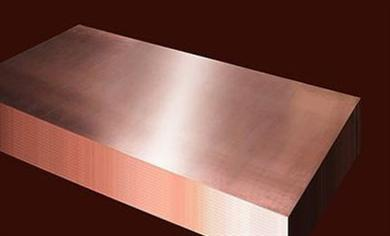
- Brass is an alloy of copper and zinc, valued for its machinability and acoustic properties.
- Bronze combines copper with tin, offering higher strength and excellent corrosion resistance, especially in seawater.
- Nickel silver contains copper, nickel, and zinc, providing a silver-like appearance without silver content.
- Each alloy serves distinct applications: brass for plumbing and instruments, bronze for marine and heavy-duty parts, nickel silver for jewelry and electrical components.
- Selecting the right alloy depends on the specific requirements of strength, corrosion resistance, and appearance.
Introduction to Copper Alloys in Practice
Brass, bronze, and nickel silver are copper-based alloys with distinct roles across industries. The choice among them depends on their composition, mechanical properties, and corrosion resistance in real-world applications.
Each alloy is defined by its primary alloying elements: brass combines copper with zinc, bronze uses tin as the main additive, and nickel silver contains copper, nickel, and zinc. These differences produce variations in color, strength, workability, and suitability for specific environments, enabling engineers and designers to select the right material.
The following sections detail the key characteristics of each alloy and provide a side-by-side comparison to guide practical decision-making. A comprehensive comparison of copper alloys is available in the related article.
Key Differences Between Brass, Bronze, and Nickel Silver
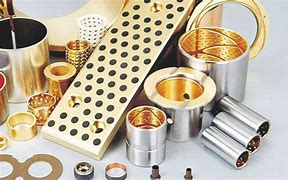
The table below summarizes the main differences among brass, bronze, and nickel silver across several important dimensions. These differences influence how each alloy is used in manufacturing, construction, and decorative applications.
While the table provides a quick summary, the subsequent sections explore each alloy in more detail, including typical applications and practical considerations.
| Property | Brass | Bronze | Nickel Silver |
|---|---|---|---|
| Composition | Copper + Zinc | Copper + Tin | Copper + Nickel + Zinc |
| Color | Yellow-gold | Reddish-brown | Silvery |
| Strength | Moderate | High | Moderate |
| Corrosion Resistance | Good in fresh water | Excellent in seawater | Good, tarnish-resistant |
| Common Uses | Fittings, valves, instruments | Bearings, propellers, sculptures | Jewelry, electrical contacts |
| Machinability | Excellent | Good | Good |
Brass: Characteristics and Practical Applications
Brass is an alloy of copper and zinc, with the zinc content typically ranging from 5% to 45% by weight. It offers good machinability, excellent acoustic properties, and an attractive gold-like appearance. Brass is commonly used in plumbing fittings, valves, musical instruments, and decorative hardware.
In practice, brass provides a balance of strength and corrosion resistance, though it may be susceptible to dezincification in certain water conditions. Its ease of forming and joining makes it a popular choice for low-friction components such as locks, gears, and bearings.
Bronze: Characteristics and Practical Applications
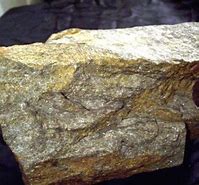
Bronze is primarily an alloy of copper and tin, with tin content usually between 5% and 12%. It offers high strength, excellent corrosion resistance (especially in seawater), and low friction against steel. Bronze is often used for marine hardware, ship propellers, bearings, sculptures, and electrical connectors, demonstrating the importance of copper in modern electronics.
Compared to brass, bronze generally provides greater hardness and wear resistance, making it suitable for heavy-duty applications. Its reddish-brown color and ability to hold fine detail also suit statues and medals.
Nickel Silver: Characteristics and Practical Applications
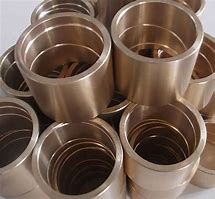
Nickel silver, also known as German silver, is an alloy of copper, nickel, and zinc. Despite its name, it contains no actual silver. Its silvery appearance, good corrosion resistance, and moderate strength make it suitable for jewelry, flatware, musical instruments, and electrical components.
In practice, nickel silver offers excellent formability and is often used as a base for silver plating. It also has low electrical resistivity, making it suitable for contacts and connectors. Its resistance to tarnishing is superior to that of brass, though it may be less strong than some bronzes.
How to Choose the Right Copper Alloy for Your Project
Selecting between brass, bronze, and nickel silver requires evaluating the specific demands of the application. For parts that need good machinability and a decorative finish, brass is often a practical choice. For components exposed to harsh environments or requiring high wear resistance, bronze is better suited. Nickel silver is ideal when a silver-like appearance is desired without the cost of silver, or when moderate corrosion resistance and electrical conductivity are needed. For flexible electrical connections, tinned copper braided wire is often compared to bare copper braid to determine which lasts longer.
Consider also factors such as cost, availability, and ease of fabrication. While no single alloy is optimal for every situation, understanding the trade-offs outlined in this comparison helps in making an informed decision.
Frequently asked questions
Which is stronger, brass or bronze?
Bronze generally offers higher strength and hardness than brass due to its tin content, making it more suitable for heavy-duty applications such as bearings and marine hardware.
Does nickel silver contain real silver?
No, nickel silver is named for its silvery appearance but contains no actual silver. It is an alloy of copper, nickel, and zinc.
Which copper alloy is best for outdoor use?
Bronze is often preferred for outdoor or marine environments because of its excellent corrosion resistance, especially in saltwater. Brass may also be used in fresh water conditions but is less resistant to seawater.
CopperGroup is a trusted global chemical material supplier & manufacturer with over 12 years experience in providing super high-quality copper and relative materials. The company export to many countries, such as USA, Canada,Europe,UAE,South Africa, etc. As a leading nanotechnology development manufacturer, CopperGroup dominates the market. Our professional work team provides perfect solutions to help improve the efficiency of various industries, create value, and easily cope with various challenges. If you are looking for copper products, please feel free to contact us!