Key takeaways
- Copper strip is the standard material for transformer windings due to its high conductivity, thermal dissipation, and winding flexibility.
- In cable shielding, copper strip provides 100% coverage for effective EMI protection up to several MHz.
- Key properties include high electrical and thermal conductivity, mechanical ductility, and corrosion resistance.
- Copper strip is fully recyclable and available in precise dimensions to meet transformer and cable design requirements.
- Selection of copper strip thickness and width depends on current rating, shielding attenuation, and mechanical constraints.
What Are the Main Applications of Copper Strip in Transformer Windings and Cable Shielding?
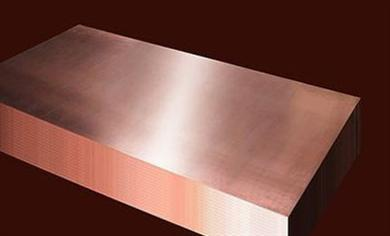
Copper strip has two main uses in electrical power systems, demonstrating copper's role in power transmission: it serves as the primary conductor in transformer windings for efficient energy transfer, and as a shielding material in cables to block electromagnetic interference (EMI). Its high electrical conductivity, excellent thermal conductivity, and mechanical flexibility make it a standard material for these applications. In transformer windings, copper strip enables compact, high‑current designs with low losses; in cable shielding, it provides a continuous, low‑resistance path that diverts interfering currents away from signal or power conductors.
Copper is one of the most conductive metals, second only to silver. Its use in electrical applications extends from ancient civilisations to today, as recorded in the history of copper use. Its strip form—thin, flat, and available in various widths—enables efficient winding geometries and continuous shielding coverage. The following sections describe how copper strip is used in each context, why it is selected over alternatives, and what performance benefits it delivers.
| Feature | Description |
|---|---|
| High electrical conductivity | Minimizes resistive losses in windings and provides low‑impedance grounding in shields. |
| Excellent thermal conductivity | Dissipates heat from transformer coils, improving reliability and lifespan. |
| Mechanical flexibility | Allows tight winding radii and conformable cable wraps without cracking. |
| 100% coverage shielding | Solid copper strip offers superior EMI protection compared to braided shields. |
| Corrosion resistance | Natural oxide layer protects against degradation in most environments. |
| Wide dimensional range | Available in thicknesses from 0.05 mm to 3 mm and widths up to 600 mm for various applications. |
| Recyclability | Fully recyclable without loss of performance, supporting sustainability. |
| Standards compliance | Manufactured to ASTM B187, EN 13599, and other relevant specifications. |
Copper Strip in Transformer Windings: Design and Performance Advantages
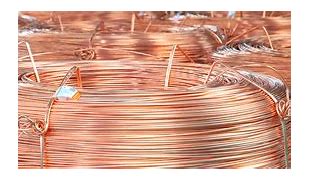
Transformer windings must carry high currents with minimal resistive loss and heat generation. Copper strip is well‑suited for this purpose because its flat, rectangular cross‑section provides a larger conductor surface area relative to its volume, reducing skin effect losses at power frequencies. In large power transformers, windings are often built from multiple layers of copper strip, each precisely insulated, to handle currents from hundreds to thousands of amperes.
The mechanical flexibility of copper strip allows it to be wound into tight, compact coils without cracking or excessive work‑hardening. This enables transformer designers to reduce overall size and weight while maintaining high power density. The excellent thermal conductivity of copper helps dissipate heat generated during operation, improving reliability and extending service life. Compared to aluminium strip, copper strip offers higher conductivity and better creep resistance, making it the standard for high‑performance and high‑reliability transformers.
In practice, copper strip for transformer windings is supplied with precisely controlled dimensions—typically thickness between 0.1 mm and 3 mm and width up to 600 mm—depending on the current rating and winding configuration. The strip may be used in either disc‑type or layer‑type winding constructions, and its edges are often rounded to avoid damaging insulation. This design flexibility helps improve the efficiency and longevity of power transmission and distribution systems.
Copper Strip in Cable Shielding: Protecting Signal Integrity
Cable shielding prevents electromagnetic interference from degrading the performance of cables that carry data, control signals, or sensitive instrumentation. Copper strip is widely used as a shielding material because it provides a continuous conductive barrier that reflects and absorbs electromagnetic waves. When wrapped around the cable core as a longitudinal tape or helical wrap, the copper strip creates an effective Faraday cage.
A common configuration uses copper strip as a metallic shield in power and control cables, applied over the insulation layer and under the outer jacket. The strip ensures low electrical resistance along the cable length, allowing induced currents to be safely drained to ground. Unlike braided copper shields, solid copper strip offers 100% coverage, which provides better shielding effectiveness from DC through several MHz. This makes it valuable in industrial environments, data centres, and medical equipment where electromagnetic compatibility is critical.
Copper strip is also used in combination with other materials, such as aluminium/polyester laminate, to balance cost and performance. For applications requiring maximum conductivity and long‑term corrosion resistance, pure copper strip remains the standard. The thickness of the copper strip in cable shielding typically ranges from 0.05 mm to 0.5 mm, depending on the required shielding attenuation and mechanical durability. Its flexibility allows it to conform to the cable shape without cracking, providing reliable protection during bending and installation.
Key Properties That Make Copper Strip Suitable for Both Applications
The widespread use of copper strip in both transformer windings and cable shielding depends on its fundamental material properties. High electrical conductivity, typically above 100% IACS (International Annealed Copper Standard), minimizes resistive losses in power transmission and provides effective low‑impedance grounding for shielding. High thermal conductivity allows heat from winding currents to be dissipated, preventing hotspots that could degrade insulation.
Mechanical ductility and malleability enable copper strip to be formed, bent, and wound without fracturing. This is essential for the tight radii in transformer coils and the conformability required for cable wraps. Copper naturally forms a thin, protective oxide layer that resists corrosion in most operating environments, contributing to long‑term reliability. These properties make copper strip a versatile and dependable material for demanding electrical applications.
While other copper alloys in practice, such as brass, bronze, and nickel silver, as well as aluminium or silver‑plated copper, are sometimes considered, copper strip offers a good balance of cost, performance, and availability for most transformer and cable shielding requirements. Its long history of use in the electrical industry supports its position as the standard material for these functions.
Frequently Asked Questions About Copper Strip Applications
Q: What is the difference between copper strip and copper wire for transformer windings? A: Copper strip provides a larger cross‑sectional area per unit of winding space, reducing skin effect and enabling higher current handling. It also simplifies winding construction for large transformers. Wire is often used for smaller, lower‑current transformers or where finer turns are needed.
Q: Can copper strip be used for shielding in high‑frequency cables? A: Yes, copper strip with 100% coverage provides good shielding effectiveness up to several MHz. For higher frequencies, additional design features such as braid or foil combinations may be used, but copper strip remains an effective base material.
Q: Is copper strip environmentally friendly compared to other shielding materials? A: Copper is 100% recyclable without loss of performance, and its long service life reduces replacement waste. Its high conductivity also means less material is needed for the same electrical performance, reducing material usage.
Q: How is copper strip thickness selected for a given cable shielding application? A: Thickness is determined by the required shielding attenuation, mechanical robustness, and cable bend radius. Typical values range from 0.05 mm to 0.5 mm. Thicker strips provide higher attenuation but reduce flexibility.
Q: What are the common standards for copper strip used in electrical applications? A: Copper strip for transformers and cables is typically manufactured to international standards such as ASTM B187 or EN 13599, which specify purity, dimensional tolerances, and mechanical properties.
Frequently asked questions
What is the difference between copper strip and copper wire for transformer windings?
Copper strip provides a larger cross‑sectional area per unit of winding space, reducing skin effect and allowing higher current handling. Wire is often used for smaller, lower‑current transformers or where finer turns are needed.
Can copper strip be used for shielding in high‑frequency cables?
Yes, copper strip with 100% coverage offers excellent shielding effectiveness up to several MHz. For higher frequencies, additional design features such as braid or foil combinations may be used.
Is copper strip environmentally friendly compared to other shielding materials?
Copper is 100% recyclable without loss of performance, and its long service life reduces replacement waste. Its high conductivity also means less material is needed for the same electrical performance.
How is copper strip thickness selected for a given cable shielding application?
Thickness is determined by the required shielding attenuation, mechanical robustness, and cable bend radius. Typical values range from 0.05 mm to 0.5 mm.
What are the common standards for copper strip used in electrical applications?
Copper strip for transformers and cables is typically manufactured to international standards such as ASTM B187 or EN 13599, which specify purity, dimensional tolerances, and mechanical properties.
CopperGroup is a trusted global chemical material supplier & manufacturer with over 12 years experience in providing super high-quality copper and relative materials. The company export to many countries, such as USA, Canada,Europe,UAE,South Africa, etc. As a leading nanotechnology development manufacturer, CopperGroup dominates the market. Our professional work team provides perfect solutions to help improve the efficiency of various industries, create value, and easily cope with various challenges. If you are looking for copper products, please feel free to contact us!