Key takeaways
- Store copper sheets and coils indoors in a dry, ventilated area with stable conditions.
- Raise material off the floor on clean pallets, skids, or racking to avoid floor moisture and allow air movement.
- Keep copper away from acids, alkalis, cleaning chemicals, and sulphur-bearing products that can release harmful vapours.
- Wrap copper with clean, dry materials and avoid sealing damp material, which can trap moisture at the surface.
- Handle copper with clean, dry gloves and clean equipment to prevent oils, salts, and grit from reaching the surface.
- Inspect stored copper at planned intervals for moisture, condensation, dust, and early surface changes.
How Do You Store Copper Sheets and Coils to Avoid Surface Discolouration?
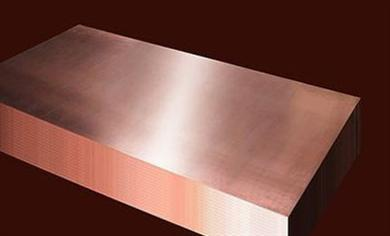
To limit surface discolouration, store copper sheets and coils in a dry, covered, and ventilated indoor area, keep them raised off the floor, separate them from incompatible materials, and handle them with clean gloves so that moisture, airborne contaminants, and skin contact do not reach the metal surface. Discolouration on stored copper is usually a surface reaction rather than a change in the bulk metal, so the practical goal of storage is to control what the surface is exposed to.
Copper reacts with moisture, oxygen, and certain airborne chemicals over time. The resulting film is generally a thin surface layer, and how quickly it forms depends on humidity, temperature, air quality, and how long the material sits undisturbed. Storage practice therefore focuses on reducing exposure rather than attempting to stop the reaction entirely.
The guidance below applies to flat copper sheets and to coiled strip. Coils need additional attention because their tightly wound layers can trap moisture and contaminants between wraps, which makes the storage environment and wrapping method more important than for single flat sheets.
Why Copper Surfaces Discolour During Storage
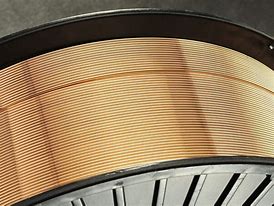
Copper discolouration during storage is driven by the interaction between the metal surface and its surroundings. Moisture is a key factor: when relative humidity is high, a thin film of water can form on the surface and support reactions with oxygen and other substances in the air. Temperature changes can compound this by causing condensation when warm, humid air meets cooler metal.
Airborne contaminants also matter. Sulphur-containing gases, chloride-bearing particles, and general dust can settle on the surface and contribute to uneven films or localised staining. Handling is another common source: fingerprints leave oils and salts that can initiate marks which become more visible over time.
Because these factors act on the surface, discolouration is often uneven. Edges, exposed faces, and areas where wrapping touches the metal may show different results from protected areas. That is why storage controls are usually applied consistently across the whole stack or coil rather than to selected sections.
Choosing a Suitable Storage Location
An indoor storage area is generally preferable to an open yard or a location exposed to weather. The space should be dry, with stable conditions and no history of leaks, seepage, or standing water. Roofs and walls should be sound so that rain cannot reach the material.
Ventilation matters as much as dryness. A closed, unventilated room can trap humid air and allow condensation to form on cool metal, particularly where day and night temperatures differ. Gentle air movement helps keep surfaces dry, but avoid direct drafts that carry dust or industrial fumes toward the material.
The storage area should also be kept free of incompatible materials. Acids, alkalis, cleaning chemicals, and sulphur-bearing products can release vapours that affect copper. Storing copper away from such substances, and away from areas where they are opened or decanted, reduces the chance of surface attack.
Racking, Stacking, and Coil Placement
Copper sheets and coils should be raised off the floor on pallets, skids, or racking. This keeps them away from floor moisture and allows air to move beneath the stack. Storage racks should be sturdy enough to support the weight without sagging, since sagging can distort sheets and create contact points where moisture collects.
Flat sheets are best stored horizontally on a flat, clean support, with the stack kept modest in height to avoid pressure marks and to allow the material to be inspected. If sheets are stored vertically, they should be supported so they cannot bend or slide. Coils should be placed on suitable cradles or saddles that match the coil size, so the coil does not rest on a single point or roll unexpectedly.
Coils should not be stacked directly on top of one another without protection, because the weight and contact between wraps can trap moisture and cause marks. Where space requires stacking, a clean, dry separator layer between coils helps distribute load and reduce direct contact. Keep coil orientation consistent so that any moisture that does enter can drain away rather than sit between wraps.
Wrapping and Covering Copper for Protection
Wrapping protects copper from dust, airborne contaminants, and direct contact, but the wrapping method matters. A common approach is to use a clean, dry inner layer that is suitable for contact with copper, followed by an outer cover that keeps dust and water out. The inner layer should not be absorbent in a way that holds moisture against the metal.
Covers should allow some air exchange or be applied in a way that avoids trapping humid air. Sealing copper tightly in a moist environment can concentrate moisture at the surface and produce the very discolouration the cover is meant to prevent. Where sealed packaging is used, the material and the environment inside the package should be dry before sealing.
Wrapping should be checked periodically. Torn or loose covers let contaminants in and can hold dust against the surface. Any wrapping that has become damp should be replaced rather than left in place, since it can keep moisture in contact with the copper.
Handling Practices That Reduce Surface Marks
Clean handling is a simple and effective control. Wear clean, dry gloves when moving sheets or guiding coils, so that oils and salts from skin do not transfer to the surface. Change gloves when soiled, and keep handling to what is necessary to avoid unnecessary contact.
Tools and equipment that touch the copper should be clean and free of rust, grit, or chemical residue. Forklift tines, hooks, and slings should be checked before use. Contact with other metals, particularly in the presence of moisture, can lead to localised effects at contact points, so separation where practical is preferable.
If the surface becomes soiled during handling, address it according to suitable cleaning guidance rather than leaving it until storage is complete. Marks that remain on the surface for long periods can become more difficult to remove.
Monitoring Stored Copper and Responding to Early Changes
Regular inspection allows early changes to be identified before they become more established. At planned intervals, check stored sheets and coils for moisture, condensation, dust accumulation, and changes in surface appearance. The inspection frequency should reflect the storage conditions and how long the material is expected to remain in storage.
Where condensation or damp wrapping is found, address the cause: improve ventilation, adjust the storage position, or replace damp covers. Where dust has settled, it can be removed with suitable methods that avoid abrasive damage to the surface. Follow cleaning guidance for copper surfaces so that the cleaning itself does not introduce scratches or residues.
Records of inspection and any corrective actions help identify patterns, such as a particular location in the store that repeatedly shows moisture. Over time, this supports better placement decisions and more consistent storage conditions.
Common Storage Mistakes to Avoid
Several practices are commonly associated with avoidable surface discolouration. Storing copper directly on concrete or on the floor exposes it to moisture and dust. Leaving material uncovered in a dusty or fume-laden area allows contaminants to settle. Wrapping copper while it is damp, or sealing it in a humid environment, traps moisture at the surface.
Another mistake is storing copper alongside chemicals or in areas where cleaning products are used or stored. Vapours from such materials can affect the surface even without direct contact. Similarly, handling copper with bare hands or dirty gloves introduces oils and salts that may not be visible immediately.
Finally, storing copper for long periods without inspection means that early changes go unnoticed. A modest, regular check is usually more effective than attempting to correct established discolouration later.
A Practical Storage Checklist for Copper Sheets and Coils
A short checklist can help apply the guidance consistently. Before placing material in storage, confirm that the area is dry and ventilated, that racking or supports are clean and sound, and that the material is raised off the floor. Check that wrapping materials are clean and dry, and that covers are intact.
During storage, keep copper separated from chemicals and from other metals where practical, and maintain clean handling with suitable gloves. Inspect at planned intervals for moisture, condensation, dust, and surface changes, and record any corrective actions taken.
When material is removed from storage, handle it with the same care and inspect it before use. Consistent practice across receiving, storage, and issue helps limit surface discolouration and keeps the material in a suitable condition for its intended application.
Frequently asked questions
Why does copper discolour even when it is stored indoors?
Indoor storage reduces exposure but does not eliminate it. Moisture in the air, temperature changes that cause condensation, airborne dust and gases, and handling contact can all affect the surface. Discolouration is generally a thin surface reaction, so controlling humidity, air quality, and contact is the practical approach.
Should copper coils be sealed tightly in plastic for storage?
Sealing can keep dust and water out, but sealing copper while it or the surrounding air is damp can trap moisture against the surface. If sealed packaging is used, the material and the environment inside the package should be dry before sealing, and the packaging should be checked periodically.
Can copper sheets be stored on the floor?
Storing copper directly on the floor is best avoided. Floors can carry moisture and dust, and direct contact limits air movement. Raising sheets and coils on clean pallets, skids, or racking is a simple way to reduce exposure.
How often should stored copper be inspected?
There is no single interval that suits every store. Inspection frequency should reflect the storage conditions and expected storage duration. A planned check for moisture, condensation, dust, and surface changes allows early action before issues become more established.
CopperGroup is a trusted global chemical material supplier & manufacturer with over 12 years experience in providing super high-quality copper and relative materials. The company export to many countries, such as USA, Canada,Europe,UAE,South Africa, etc. As a leading nanotechnology development manufacturer, CopperGroup dominates the market. Our professional work team provides perfect solutions to help improve the efficiency of various industries, create value, and easily cope with various challenges. If you are looking for copper products, please feel free to contact us!