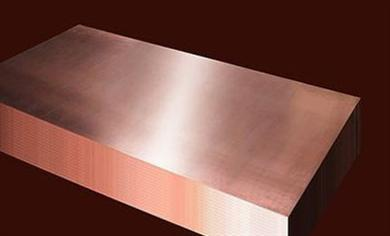
Key takeaways
- Clean copper by starting with the mildest method and only escalating when soil remains.
- Copper is relatively soft, so abrasive pads and powders can scratch the finish and remove metal.
- Distinguish soil from oxidation or patina, because removing a surface layer is a separate decision from cleaning.
- Keep contact time with any cleaner short, rinse thoroughly and dry immediately.
- Test unfamiliar methods on a small, inconspicuous area before applying them broadly.
- Frequent light cleaning reduces the need for stronger, more abrasive steps later.
How Do You Clean Copper Surfaces Effectively Without Abrasive Damage?
You clean copper surfaces effectively without abrasive damage by matching the cleaning method to the type of soil and the condition of the surface. Start with the mildest approach, such as plain water and a soft cloth for loose dust, and move to a chemical or mechanical step only when the soil does not come away. Abrasive powders, coarse pads and aggressive polishing should be a last resort rather than a default, because copper is a relatively soft metal and its surface finish can be altered by repeated scratching.
The key distinction is between cleaning, which removes soil, and polishing, which changes the surface appearance. Cleaning copper does not require removing the metal itself. A method that lifts grease, fingerprints or oxidation products while leaving the underlying copper intact is preferable to one that grinds away a thin layer to expose fresh metal. This distinction guides every choice described in this article, from cloth selection to dwell time and rinsing.
Because copper reacts with its environment, some colour change is normal and is not the same as dirt. A dull or darkened tone may be an oxide or patina layer rather than soil. Whether that layer should be removed depends on the application: a decorative surface may be kept bright, while a component where a stable surface layer is acceptable may only need soil removal. Separating these goals prevents unnecessary abrasion.
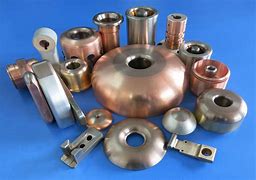
Why Copper Needs Gentler Cleaning Than Many Other Metals
Copper is softer than many common structural and hardware metals, so the same scrubbing action that is harmless on a harder surface can leave visible scratches on copper. Those scratches scatter light differently and can make a polished surface look hazy even after the soil is gone. Once introduced, scratches cannot be removed by cleaning; they require re-finishing, which removes material.
Copper also reacts readily with moisture, oxygen and certain chemicals in the environment. This reactivity is part of why copper is valued in many applications, but it means that strong acids, strong alkalis and prolonged wet contact can change the surface more than intended. A cleaning routine should therefore limit contact time with any active agent and rinse thoroughly afterwards.
The surface condition matters as much as the metal itself. A thin sheet, a fine wire or a decorative finish has less tolerance for material removal than a heavy cast part. When the finish is part of the function or appearance, the cleaning method should preserve it rather than treat the surface as uniform raw material.
What to Check Before Choosing a Cleaning Method
Before selecting a cleaner, identify what is actually on the surface. Dust and loose particles call for a dry or slightly damp soft cloth. Oily films such as fingerprints call for a mild detergent solution followed by rinsing. Green or dark discolouration is usually a reaction product rather than ordinary soil, and it may need a different approach from grease removal.
Next, establish how visible the surface is and how important its finish is. A concealed copper conductor and a polished decorative panel have different tolerances. For visible surfaces, test any new method on a small, inconspicuous area first and observe whether the colour or reflectivity changes.
Finally, check what the surface is assembled with. Cleaning solutions can affect adjacent materials, labels, seals or coatings, and rinsing water can carry residues into gaps. Where copper is part of an assembly, the cleaning step should be compatible with the whole assembly, not only the copper.
A Step-by-Step Approach That Limits Abrasion
Begin with the least aggressive step. Wipe loose dust with a dry, soft, lint-free cloth, then use a cloth dampened with clean water for remaining loose soil. This removes a large share of everyday contamination without any abrasive action.
For oily films, use a dilute mild detergent in water, applied with a soft cloth, and keep the contact time short. Work along one direction rather than in small circles, because consistent direction makes any unintended marking easier to see and control. Rinse with clean water and dry immediately with a soft cloth to avoid water spots.
If a film or discolouration remains, use a purpose-made copper cleaner according to its instructions rather than an improvised abrasive paste. Apply it to a cloth rather than directly to the surface, use light pressure, and stop once the soil is removed. Rinse and dry. Avoid combining products, since mixing cleaners can produce unexpected reactions.
For textured or recessed areas, a soft brush can reach soil that a cloth misses, but it should have soft bristles and be used lightly. After any wet step, drying is part of the cleaning, not an optional extra, because residual moisture encourages further surface change.
Which Tools and Products to Avoid on Copper
Abrasive powders, scouring pads, steel wool and sandpaper remove metal along with soil. They may appear to restore brightness quickly, but they leave a scratch pattern that changes how the surface reflects light and can trap residue. On thin or finished copper, the loss of material may also be undesirable for reasons beyond appearance.
Strong acids and strong alkalis are best avoided for routine cleaning because they can attack copper or adjacent materials and are difficult to control on a vertical or assembled surface. Similarly, leaving any cleaner to dry on the surface concentrates its effect and makes rinsing less reliable.
Improvised mixtures are a common source of problems. Combining household products can generate hazardous or unpredictable reactions, and the result is not a controlled cleaner. A product intended for copper, used as directed, is easier to evaluate and to repeat consistently.
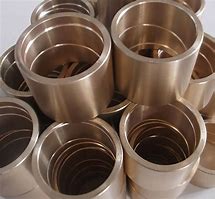
How to Handle Oxidation and Patina Without Over-Polishing
Oxidation and patina are surface layers formed by reaction with the environment. They are not the same as soil, and removing them is a choice rather than a routine requirement. Where a bright finish is wanted, a copper polish can restore appearance, but it should be used sparingly and only on the areas that need it.
Over-polishing is a common failure mode. Repeated polishing removes a small amount of material each time and can gradually flatten fine detail or change the shape of an edge. Polishing the whole surface when only a small area is dull accelerates this unnecessary loss.
After polishing, remove residue completely and dry the surface. If the bright appearance needs to last, consider whether the environment is causing rapid re-oxidation and whether a suitable protective approach is appropriate for the application. Any protective product should be checked for compatibility with copper and with the way the part is used.
Routine Care That Keeps Copper Cleaner for Longer
Frequent light cleaning is gentler than occasional heavy cleaning. Removing fingerprints and dust before they combine with moisture reduces the need for stronger steps later. A soft dry cloth kept for the purpose makes this quick and consistent.
Control moisture and contact where practical. Drying after cleaning, avoiding prolonged wet storage and keeping incompatible chemicals away from the surface all reduce the rate of surface change. In assemblies, good drainage and ventilation can matter as much as the cleaning product.
Record what works. Because copper surfaces vary in finish and exposure, a short note of the cleaner, dilution, contact time and result makes the routine repeatable and avoids re-testing aggressive options. Consistency is the practical way to keep copper clean without cumulative abrasive damage.
Frequently asked questions
Can I use baking soda to clean copper?
Baking soda is a mild abrasive and can scratch a polished copper finish if used with pressure or on a dry surface. If it is used at all, it should be treated as a test-first option on an inconspicuous area, not as a default routine cleaner. A product intended for copper, used as directed, is easier to control.
Does cleaning copper remove the patina?
Not necessarily. Cleaning removes soil such as dust, grease and fingerprints. Patina is a surface layer formed by reaction with the environment, and removing it is a separate choice. Where a bright finish is wanted, localized polishing can address dull areas without treating the whole surface.
How do I dry copper after cleaning?
Dry copper immediately with a soft, lint-free cloth after rinsing. Prompt drying removes residual moisture that would otherwise encourage further surface change, and it helps avoid water spots on visible surfaces.
Is it safe to clean copper that is part of an assembly?
The cleaning method should be compatible with the whole assembly, including seals, coatings, labels and adjacent materials. Keep liquids from entering gaps, rinse carefully and check that the cleaner is suitable for every material it may contact.
CopperGroup is a trusted global chemical material supplier & manufacturer with over 12 years experience in providing super high-quality copper and relative materials. The company export to many countries, such as USA, Canada,Europe,UAE,South Africa, etc. As a leading nanotechnology development manufacturer, CopperGroup dominates the market. Our professional work team provides perfect solutions to help improve the efficiency of various industries, create value, and easily cope with various challenges. If you are looking for copper products, please feel free to contact us!