Key takeaways
- Copper offers excellent corrosion resistance, leading to long service life and reduced maintenance.
- Its high thermal conductivity improves efficiency in heating systems, delivering heat quickly and evenly.
- Copper's natural antimicrobial properties help maintain water hygiene without chemical additives.
- Copper is 100% recyclable, supporting sustainable building practices.
- Installation and repair of copper pipes are straightforward with standard techniques.
The Core Advantage: Why Copper Stands Out in Plumbing and Heating
Copper is widely preferred for plumbing and heating systems due to its combination of durability, thermal efficiency, and natural antimicrobial properties. For residential and commercial applications, copper pipes and fittings have been the standard for decades, offering reliable performance across various temperatures and water conditions. This article explains the key reasons behind copper's dominance, covering corrosion resistance, heat transfer capabilities, safety features, and long-term value.
The choice of material for plumbing and heating directly affects system longevity, energy efficiency, and maintenance costs. Copper offers a balanced combination of strength, workability, and environmental compatibility to address these factors. Understanding these benefits helps homeowners, contractors, and engineers make informed decisions when selecting piping materials.
Corrosion Resistance and Longevity
Copper is used in plumbing and heating primarily because of its excellent corrosion resistance. Unlike ferrous metals, copper does not rust; it forms a protective oxide layer that shields it from many common waterborne chemicals. This patina, often seen as a greenish layer on older pipes, protects the underlying metal and extends the service life of the system.
Copper pipes can last 50 years or more in typical potable water systems, and even longer in closed-loop heating systems where oxygen exposure is limited. This longevity reduces the need for frequent replacements, lowering lifecycle costs for building owners. However, copper's corrosion resistance depends on water chemistry; highly acidic or alkaline water may accelerate degradation, so proper water treatment is recommended in such cases.
Exceptional Thermal Conductivity for Efficient Heating
Copper has one of the highest thermal conductivities among common engineering materials, making it ideal for heat transfer applications such as radiators, underfloor heating loops, and heat exchangers. This property allows heat to be delivered quickly and evenly, improving system responsiveness and energy efficiency.
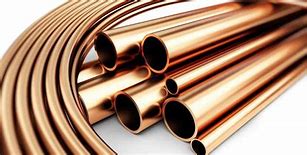
In hydronic heating and HVAC systems, seamless copper pipe for HVAC, such as the 3/8 inch OD used for refrigerant lines, minimizes heat loss along the distribution path, ensuring more energy from the boiler reaches the intended spaces. Its ability to withstand repeated thermal cycling without warping or cracking further contributes to its suitability for heating systems. Although materials like PEX and aluminum have lower thermal conductivity, copper remains the benchmark for heat transfer performance.
Natural Antimicrobial Properties for Safe Water Supply
Copper surfaces naturally inhibit the growth of bacteria, viruses, and fungi. This antimicrobial effect, known as the oligodynamic effect, is particularly valuable in plumbing systems that carry drinking water. Copper ions released from the pipe surface disrupt microbial cell membranes, reducing the risk of waterborne diseases without requiring additional chemical treatments.
Studies have shown that copper piping can reduce the presence of pathogens such as E. coli and Legionella in water systems. This makes copper a preferred material for hospitals, schools, and other facilities where water hygiene is critical. Unlike plastic, which does not offer this inherent protection, copper provides a passive barrier that enhances overall water safety.
Recyclability and Environmental Impact
Copper is a fully recyclable material, and a significant portion of the copper used in plumbing and heating today comes from recycled sources. Recycling copper consumes far less energy than primary production, and the material can be reused without losing its properties. This circularity reduces the environmental footprint of copper systems compared to many alternatives.
Copper's long service life means fewer replacements and less waste over time. When a copper system is eventually decommissioned, the pipes can be removed and sold for scrap, providing a financial return while keeping material out of landfills. These factors contribute to copper's reputation as a sustainable choice for building infrastructure.
Ease of Installation and Maintenance
Copper pipes are easy to work with using standard tools and techniques. They can be cut, bent, and joined by soldering, brazing, or compression fittings, allowing for flexible installation in tight spaces. The material's malleability and ductility, qualities also essential in bare copper wire soft-annealed for transformer winding, reduce the need for complex fittings, and its dimensional stability ensures consistent connections over time.
Maintenance of copper plumbing is straightforward: leaks are rare and usually occur at joints rather than along the pipe body. When repairs are needed, they can be performed quickly with patch kits or by replacing a short section. Copper installation requires skilled labor to avoid issues like pinhole leaks from improper soldering, but the overall reliability of copper systems minimizes ongoing maintenance demands.
Comparison with Alternative Materials
While copper has many advantages, it is helpful to compare it with other common materials used in plumbing and heating: PEX (cross-linked polyethylene), PVC (polyvinyl chloride), and stainless steel. PEX is flexible and resistant to freezing, but it lacks copper's thermal conductivity and antimicrobial properties. PVC is inexpensive and corrosion-resistant for cold water, but it cannot withstand high temperatures and is not suitable for heating systems.
Stainless steel offers good corrosion resistance and strength, but it is more expensive and harder to fabricate than copper. Copper, including specialty alloys such as beryllium copper plate price per kg, strikes a balance between performance, cost, and workability, making it the default choice for many contractors. The decision depends on specific project requirements: budget, water quality, temperature range, and local building codes.
Conclusion: The Enduring Value of Copper in Modern Systems
Copper's combination of corrosion resistance, thermal conductivity, antimicrobial action, recyclability, and ease of installation makes it a preferred material for plumbing and heating systems. No single material is perfect for every application, but copper consistently delivers reliable performance across a wide range of conditions. Builders, engineers, and homeowners continue to rely on copper for its proven track record and long-term cost-effectiveness.
When selecting materials for a new system or renovation, consider the project's specific demands: water chemistry, temperature requirements, budget, and environmental goals. Copper often emerges as the most balanced choice, offering both immediate benefits and lasting value. For high-quality copper products and expert guidance, consult reputable suppliers who can provide materials suited to your needs.
Frequently asked questions
Is copper plumbing safe for drinking water?
Yes, copper is safe for drinking water. It does not leach harmful chemicals, and its antimicrobial properties actually help reduce bacterial growth. However, very acidic water can cause copper to dissolve, so water testing and treatment are recommended in such cases.
Can copper pipes freeze and burst?
Copper pipes can freeze if water inside them freezes, leading to bursting. Proper insulation and installation techniques (e.g., avoiding unheated spaces) are important to prevent freezing. PEX is more flexible and resistant to freeze damage, but copper remains durable when installed correctly.
How long do copper pipes last?
Copper pipes typically last 50 to 70 years in potable water systems, and even longer in closed-loop heating systems. Lifespan depends on water quality, installation quality, and maintenance.
Is copper more expensive than other materials?
Copper is generally more expensive than PEX or PVC upfront, but its longevity and reliability can offset the initial cost over time. For heating systems, its thermal efficiency may also reduce energy bills.
CopperGroup is a trusted global chemical material supplier & manufacturer with over 12 years experience in providing super high-quality copper and relative materials. The company export to many countries, such as USA, Canada,Europe,UAE,South Africa, etc. As a leading nanotechnology development manufacturer, CopperGroup dominates the market. Our professional work team provides perfect solutions to help improve the efficiency of various industries, create value, and easily cope with various challenges. If you are looking for copper products, please feel free to contact us!