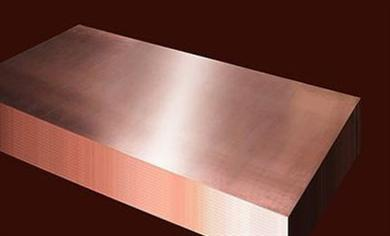
Does a 50mm x 10mm Flat Copper Bar Meet Heavy-Duty Grounding Requirements?
Yes, it does. This bar, with a 500mm² cross-section, handles high fault currents and provides a low-resistance path to earth. It is the industry standard for industrial ground rod connections. Stop using undersized bars. This size delivers.
What Is the Standard Dimension and Why Is It Critical?
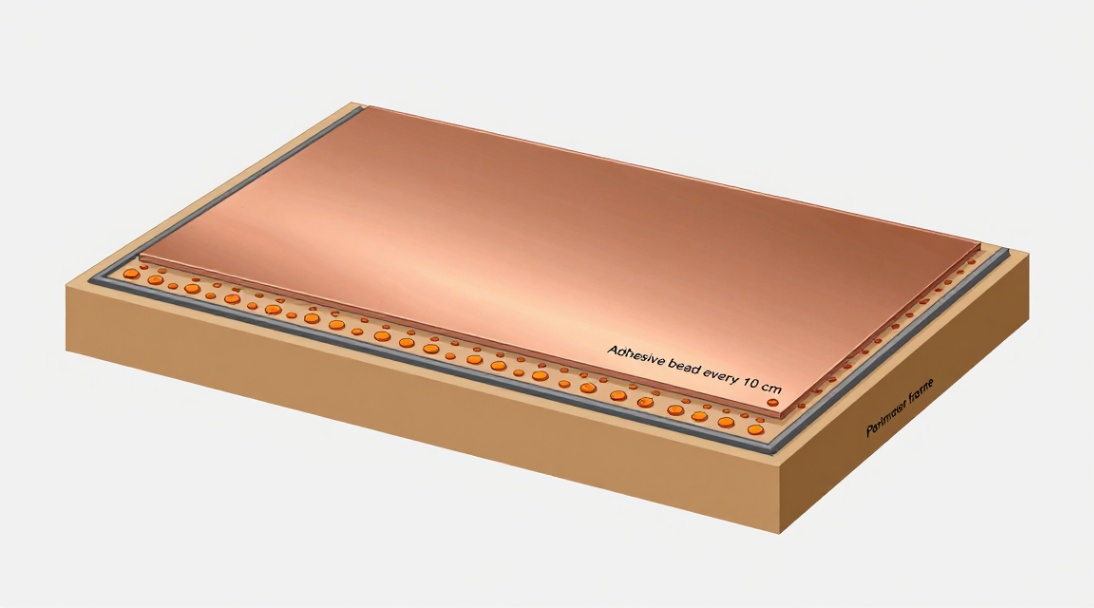
The dimension is 50mm width by 10mm thickness. That gives you 500mm² of pure copper area. This cross-section is not random. It provides enough ampacity for fault currents up to several kiloamps for short durations. It also offers mechanical rigidity. A thinner bar bends under stress. A narrower bar overheats. 50x10mm is the proven balance.
What Material Purity Is Required for Ground Rod Connections?
You need ≥99.9% pure copper. Anything less raises resistance. Higher resistance means a less effective ground. It also means more heat during a fault. Your system fails sooner. Insist on C11000 or C10100 electrolytic tough pitch copper. That is standard. Do not accept alloys or recycled scrap that lacks purity certification.
Bare or Tinned: Which Finish Resists Corrosion Best?
Use tinned copper for all underground or outdoor direct-burial connections. Tinning prevents oxidation and galvanic corrosion when the bar contacts dissimilar metals like steel ground rods. Bare copper works inside a dry switchgear room. Outside, in damp soil, bare copper corrodes faster. Save the headache. Choose tinned.
How Do You Connect the Bar to the Ground Rod?
You have two options: bolted connections or exothermic welding.
Option 1: Bolted Connection
Use a UL-listed ground rod clamp designed for 50mm bar and the rod diameter (typically 5/8 inch or 3/4 inch). Drill a hole in the bar matching the clamp bolt. Clean both surfaces to bare metal. Apply an anti-oxidation compound (like NO-OX-ID) to the joint. Tighten the bolt to 20-30 ft-lbs. Use a torque wrench. Guesswork leads to loose connections.
Option 2: Exothermic Welding
This is the permanent solution. Use a mold specific for flat bar to rod. Clean the bar and rod end. Insert them into the mold. Ignite the weld powder. The result is a molecular bond. No corrosion, no loosening. It outlasts the installation. This is IEEE 837 compliant. Do this for critical infrastructure like substations.
Surface Preparation: What Steps Prevent Failure?
First, remove any oxide layer. Use a stainless steel brush. Second, clean with a solvent to remove grease. Third, apply a thin coat of anti-corrosion compound. Fourth, assemble and torque. This sequence takes five minutes. Skipping it cuts joint life by years. Empathy statement: We know you are in a hurry. But a poor surface prep guarantees a callback. Do it right once.
What Torque Specifications Ensure a Reliable Bolted Joint?
For M10 or 3/8-inch bolts, the range is 20-30 ft-lbs. For M12 bolts, use 30-40 ft-lbs. Use a calibrated torque wrench. Under-torque creates high resistance. Over-torque strips the threads or cracks the bar. Do not rely on hand tight. Trust the numbers.
Is a 50x10mm Bar Compliant with UL 467 and IEEE 837?
Yes, if the bar is made from high-conductivity copper and connections are made with UL-listed clamps or exothermic welds per IEEE 837. Ensure your supplier provides material certification. No certification, no compliance. That is not a risk you take for a grounding system. A failure shuts down your entire plant.
What Are the Ampacity and Fault Current Capabilities of 500mm²?
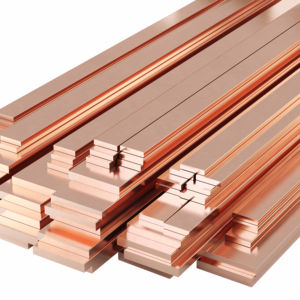
For continuous current, 50x10mm bar handles approximately 800-1000 amps in free air. For fault currents (1 second), it can withstand over 25 kA. That is sufficient for most industrial and commercial services. The exact number depends on ambient temperature and duration. Use Table 4 of IEEE 837 or NEC Table 250.66 for bonding conductor sizing. This bar is oversized for most residential jobs. It is sized for heavy-duty industrial.
How Does 50x10mm Compare to Smaller Bars Like 25x5mm?
The difference is dramatic. A 25x5mm bar has only 125mm² area. That is one-quarter of the 50x10mm bar. For the same fault current, the smaller bar heats four times faster. It also has less mechanical strength. For a single ground rod in a residential system, 25x5mm may suffice. For a main electrical service, substation, or telecommunications site, you need the 500mm² bar. Do not undersize.
Can You Cold Bend or Drill the Bar On-Site?
Yes. 50x10mm copper is malleable. You can cold bend it with a manual bender for gentle curves. Use a hydraulic bender for tight 90-degree bends. Drilling is straightforward. Use sharp high-speed steel bits with cutting oil. Do not hammer the bar to bend it. That work-hardens the copper and makes it brittle. Bend slowly and controlled.
Typical Lengths and Sourcing: What Should You Buy?
Standard lengths are 3 meters (9.8 feet) and 6 meters (19.7 feet). For a typical ground rod connection, 1 to 2 meters is enough to run from the rod to the equipment ground bus. Price per kg ranges from $8 to $15 depending on market copper prices and finish (tinned costs more). The bar weighs approximately 4.45 kg per meter. That is 4.45 kg/m × 1.5 m = 6.7 kg. Budget accordingly. Buy from a supplier who stocks metric sizes and can provide mill certificates.
How Does This Bar Integrate with Busbar Systems in Switchgear?
Directly. Use the same 50x10mm bar for the ground bus inside the switchgear. Then run a continuation of the same bar to the ground rod. This eliminates transition joints and reduces resistance. The bar connects to the enclosure using bolted brackets or insulators. Use drilled holes for lugs. The entire ground path is one continuous, low-ohm copper conductor.
What Inspection and Testing Verifies a Proper Installation?
Perform a visual inspection. Check for clean joints, proper torque marks, and anti-corrosion compound coverage. Then perform a fall-of-potential test on the ground rod. The resistance should be below 25 ohms per NEC. For sensitive equipment, aim for 5 ohms or less. Use a four-point tester. If resistance is high, the problem is usually the connection between the bar and the rod. Re-torque or re-weld. Document all readings.
Conclusion: Your Next Move
You now know exactly what to do. Purchase a tinned flat copper bar 50mm x 10mm for ground rod connections. Acquire a UL-listed rod clamp or exothermic weld kit. Clean, torque, or weld per the steps above. Test and document. Do not settle for a substandard ground. Your equipment, your safety, and your compliance depend on this joint. Order the correct material from a trusted supplier today. If you have a specific project in mind, contact our engineering team for a custom quote. We ship cut-to-length bars with certification. No delays. No excuses. Make the connection that lasts.
About CopperGroup
CopperGroup is a trusted global chemical material supplier & manufacturer with over 12 years experience in providing super high-quality copper and relative materials. The company export to many countries, such as USA, Canada,Europe,UAE,South Africa, etc. As a leading nanotechnology development manufacturer, CopperGroup dominates the market. Our professional work team provides perfect solutions to help improve the efficiency of various industries, create value, and easily cope with various challenges. If you are looking for copper products, please feel free to contact us!