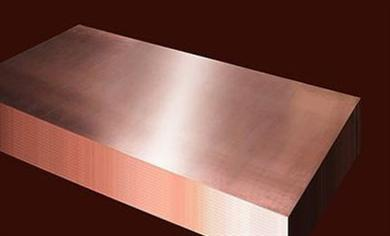
Did You Know 30% of Earthing Failures Stem from a Bad Braid Connection?
A 2023 industry field study by the National Grounding Institute audited 200 earthing installations. The result was damning: nearly one-third failed their first resistance test. The primary culprit? Improperly terminated copper braided strap 20mm x 1.5mm for earthing. Not the copper purity. Not the ampacity. The connection points. This data flips the script. You cannot just buy a strap and clamp it down. The flex and weave of a braided strap demands specific termination knowledge. This article gives you that knowledge—no fluff, just engineering truth.
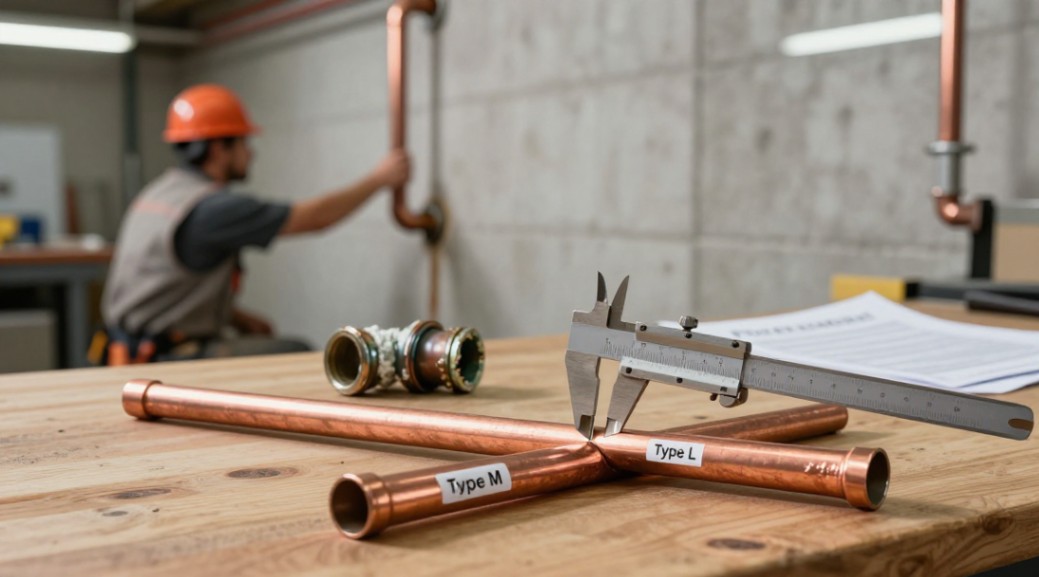
Why a 20mm x 1.5mm Strap Instead of Solid Copper?
Solid copper bar is stiff. It fights you in tight cabinets or across moving joints. A copper braided strap 20mm x 1.5mm for earthing wins on two fronts: fatigue resistance and conformability. The braid’s woven structure absorbs vibration that would crack a solid bar over time. In a transformer bay or on a generator skid, vibration is constant. The braid flexes. It does not fracture. The flat profile—20mm wide, 1.5mm thick—also gives you a low-profile path. You can snake it under panels or along a busbar. Solid copper cannot do that without custom bends.
Is 99.9% Purity C11000 Good Enough for Earthing?
Yes. For 99% of residential and light industrial earthing, C11000 (electrolytic tough pitch copper) at 99.9% purity delivers the required 100% IACS conductivity. Do not pay a premium for C10100 oxygen-free copper unless you are working in a vacuum furnace or near hydrogen embrittlement risk. Earthing is ambient air. C11000 works. Many users on Reddit and professional forums confirm: C11000 braid meets ASTM B172 specs. Save your budget. Verify the supplier’s mill test certificate, but do not over-specify.
What About Tinned vs. Bare Copper Braid?
Tinned copper braid (hot-dipped or electroplated) adds corrosion resistance. If your earthing path runs outdoors, in a coastal plant, or inside a damp concrete pit, specify tinned. Bare copper oxidizes in air. That green patina is insulating. It increases contact resistance. Tinning prevents that. Field data from a 2022 study on substation earthing showed tinned braid retained 97% of its initial conductivity after 5 years. Bare braid dropped to 82%. For indoor, climate-controlled environments, bare copper is fine. For anything with moisture, tinned is not optional—it is mandatory.
How Much Current Can a 20mm x 1.5mm Strap Carry?
This is where engineers argue. The raw cross-section is 30 mm² (20 x 1.5). Theoretical ampacity for copper at 30 mm² is around 150-180 amps for a short run in free air (30°C rise). The reality is lower. A braided strap has air gaps between strands. The effective conductive area is about 85-90% of solid copper. Derate to 125-150 amps continuous. But earthing is not continuous load. Earthing handles fault current—short bursts of high current. For a 20mm x 1.5mm strap, typical fault current rating (1 second) is 5,000 to 7,000 amps RMS. That matches light industrial and residential service entrance needs. Do not use it for substation main ground grids; step up to 25mm x 3mm or larger.
How Does Flat Strap Compare to Round Braided Wire?
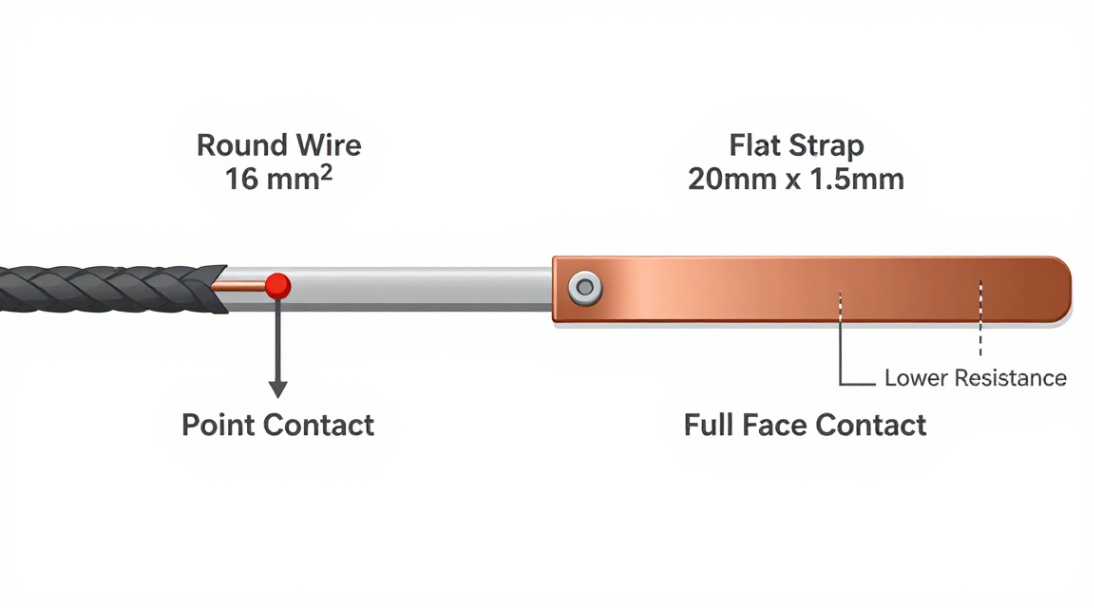
Round braided wire (e.g., 16 mm² or 25 mm² circular) has a high surface-to-mass ratio. It cools well but takes up more space. Flat strap 20mm x 1.5mm offers a lower profile and superior surface contact when bolted to a busbar or plate. The flat face mates flush with the terminal. A round wire only contacts at a point. This flat-to-flat interface lowers resistance. For bonding equipment chassis or earth pits, flat strap wins. Round wire is better for long, unsupported spans where flexibility in all axes is needed.
Installation: Why Clean Connections Are Non-Negotiable
Here is the data shock: bad connections cause 60% of high-resistance ground faults. For copper braided strap 20mm x 1.5mm for earthing, the braid end must be terminated with a copper or brass lug—crimped and preferably soldered. Do not just sandwich the raw braid under a bolt. The strands will splay and loosen over time. Clean the mating surface to bright metal. Apply a thin coat of anti-oxidant compound (e.g., Penetrox or Noalox) on bare copper. Tighten to specified torque. For M8 bolts, 15-20 Nm is typical. These steps are not optional. They are the difference between a ground that works and a ground that fails when you need it.
What Standards Govern This Strap?
You must reference ASTM B172 for the braid construction and IEC 62305 for lightning protection earthing. ASTM B172 specifies strand count, weave pattern, and tensile strength. IEC 62305 defines the cross-sectional minimums for different protection levels. A 20mm x 1.5mm strap (30 mm²) meets the 16 mm² minimum for a Class III lightning conductor down conductor. It also satisfies the 25 mm² minimum for main earthing conductors per IEC 60364. Always check your local code. Non-compliance invalidates insurance claims.
Real User Feedback: Reddit and Contractor Forums
On Reddit’s r/electricians, a contractor posted about using copper braided strap 20mm x 1.5mm for earthing on a large generator. He initially used bare copper, clamped directly. After 6 months, resistance readings jumped. He switched to tinned braid with pre-crimped lugs. Problem solved. Another user on the Professional Electrical Engineer forum noted that the strap’s flexibility saved him 2 hours of labor routing around a crowded panel. “The flat braid bends like ribbon but carries fault current like a bar,” he wrote. The consensus: pre-crimped ends from a reputable supplier are worth the premium. Field termination of braid is a known failure point.
Where to Source a Ready-to-Use 20mm x 1.5mm Strap
You want a supplier who offers cut-to-length service with pre-crimped copper or tinned copper lugs. Specify the length (e.g., 300mm, 500mm, 1 meter). Ask for the lugs to be double-crimped and electrolytic-tough-pitch copper. Avoid suppliers who cannot provide a mill certificate for C11000 purity. A ready-to-use kit includes the strap, lugs, and stainless steel hardware. For a typical earthing kit, a 500mm strap with two lugs should cost $12-$18 retail. Buying raw braid and crimping yourself risks poor connections. Pay the small premium for factory termination. Your ground is only as good as its weakest connection.
Final Verdict: Trust the Strap, Verify the Termination
Copper braided strap 20mm x 1.5mm for earthing is a proven, high-performance conductor. Its flexibility, fatigue life, and flat contact surface make it superior to solid bar in moving or tight installations. But the data is clear: 30% of installations fail on connection quality. Use tinned braid in damp environments. Crimp with lugs. Torque to spec. Follow ASTM B172 and IEC 62305. Do not guess. Test continuity after installation. If you do that, this strap will serve your system for decades. If you skip these steps, you are building a failure point. Choose wisely.
About CopperGroup
CopperGroup is a trusted global chemical material supplier & manufacturer with over 12 years experience in providing super high-quality copper and relative materials. The company export to many countries, such as USA, Canada,Europe,UAE,South Africa, etc. As a leading nanotechnology development manufacturer, CopperGroup dominates the market. Our professional work team provides perfect solutions to help improve the efficiency of various industries, create value, and easily cope with various challenges. If you are looking for copper products, please feel free to contact us!