1. Introduction
In the past 48 hours, recyclers across North America have reported a surge in copper scrap prices, with bare bright copper fetching over $3.50 per pound—a 7% jump from last week. This spike has renewed interest in DIY copper recovery, especially stripping insulated wire to maximize value. If you’ve got old electronics, HVAC wiring, or leftover copper rod from plumbing jobs, knowing how to properly strip copper wire can significantly boost your return.
Stripping copper isn’t just about profit—it’s also about sustainability. Clean, unburned copper fetches higher prices and avoids environmental penalties. In this guide, we’ll show you the best way to strip copper wire, whether you’re working with thin strands or thick copper rod for welding, and clarify when other copper forms like copper strip or copper round bar come into play.
2. Why Stripping Copper Wire Matters
Recycling centers pay top dollar for clean, bare copper. Insulated wire is often discounted by 30–50%. Burning insulation off (a dangerous and illegal practice in many areas) releases toxic fumes and devalues the metal. Proper stripping preserves copper quality and complies with environmental regulations.
You might be dealing with various copper products:
- Copper rod (used in grounding or welding)
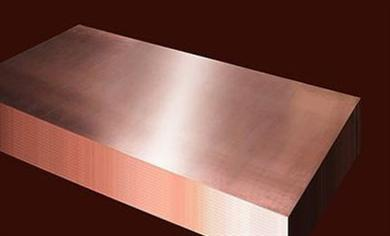
- Copper strip (like flat copper strip or copper earth strip 25x3mm)
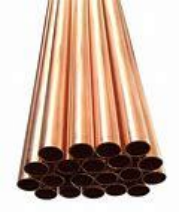
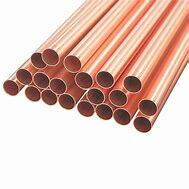
- Copper tubing from aircon copper pipe or AC lines
- Or simple copper wire from household cables
Regardless of form, clean copper = better price.
3. Tools You’ll Need
The right tool depends on your volume and wire type:
- Manual wire strippers (for small batches or delicate work)
- Automatic wire stripper machines (ideal for long runs of consistent gauge)
- Razor blades or utility knives (budget option—but risky!)
- Rotary strippers or drill-mounted strippers (for medium-scale operations)
Avoid using pliers or teeth—these damage the copper and reduce resale value.
4. Step-by-Step: How to Strip Copper Wire Safely and Efficiently
4.1. Identify Your Copper Type
Not all copper is equal. Bare bright copper (clean, uncoated, untinned wire ≥16 AWG) is most valuable. Check if your material is:
- Solid core (easier to strip)
- Stranded (requires more care)
- Part of a copper rod or copper round bar (may need cutting first)
Also note: copper clad steel ground rod or copper bonded earthing rod contains steel cores—these aren’t pure copper and fetch lower prices.
4.2. Choose Your Stripping Method
For short lengths or mixed gauges: Use manual strippers. Adjust the gauge setting, clamp, and pull insulation away cleanly.
For long cables (e.g., from scrapped HVAC units with aircon copper tube wiring): Use an automatic stripper. Feed the wire through, and it removes insulation in seconds.
Fast way to strip copper wire? A drill-mounted rotary stripper can process 50+ feet per minute—great for contractors or serious recyclers.
4.3. Avoid Common Mistakes
- Don’t nick the copper—this weakens it and lowers grade.
- Never burn insulation off. ‘Burning copper wire for scrap’ contaminates the metal and violates EPA rules in the U.S.
- Don’t confuse copper strip with copper stip (likely a typo)—you want clean copper metal strips like nickel plated copper strip or beryllium copper strip only if specified.
5. What to Do With Other Copper Forms
Beyond wire, you might encounter:
- Copper rod for welding or copper brazing rod: These are solid and usually don’t need stripping—just clean surface oxidation.
- Copper strip roll or flat copper strip: Often used in earthing; if insulated, carefully peel backing without scratching.
- Copper pipe and fittings: From 15mm copper pipe to 22mm copper tube—remove solder joints but no stripping needed.
If you’re sourcing copper strip near me or checking copper rod price, remember: purity matters. Copper bonded steel or copper clad earth rod contains less copper and is priced accordingly.
6. Maximizing Profit: Tips for Recyclers
- Sort by type: bare bright, #1 copper (clean pipe), #2 copper (tarnished or mixed).
- Keep copper dry and free of dirt/oil.
- Compare local scrap yards—prices for copper strip price or copper ingot price vary widely.
- Ask about minimum lot sizes; some yards offer bonuses for bulk clean copper.
7. Conclusion
Stripping copper wire correctly turns waste into worth. Whether you’re salvaging from old appliances, leftover copper rod welding scraps, or HVAC copper lines, using the right technique ensures you get the best payout while staying eco-friendly. Skip the shortcuts—invest time in clean, safe stripping, and your wallet (and the planet) will thank you.
Our Website founded on October 17, 2012, is a high-tech enterprise committed to the research and development, production, processing, sales and technical services of ceramic relative materials such as How. Our products includes but not limited to Boron Carbide Ceramic Products, Boron Nitride Ceramic Products, Silicon Carbide Ceramic Products, Silicon Nitride Ceramic Products, Zirconium Dioxide Ceramic Products, etc. If you are interested, please feel free to contact us.