1. Introduction
Let’s face it: stripping copper wire can feel like trying to peel a grape with oven mitts on—awkward, slow, and occasionally painful. But whether you’re salvaging scrap, prepping for a DIY project, or just trying to make a few bucks from that pile of old wiring in your garage, knowing the best way to strip copper wire is a superpower worth mastering. And no, burning the insulation off isn’t the answer (more on that later). In this guide, we’ll walk you through practical, safe, and efficient techniques—and while we’re at it, we’ll clarify how copper wire relates to other copper forms like copper rod, copper strip, and copper bonded ground rods.
2. Why Stripping Copper Wire Matters
Clean, bare copper fetches top dollar at scrap yards—often 2–3 times more than insulated wire. Plus, stripped copper is essential for recycling, electrical repairs, and crafting projects. But beyond profit, proper stripping avoids toxic fumes (looking at you, PVC-burning enthusiasts) and keeps your workspace safer. Whether you’re dealing with household wiring, AC copper pipe leftovers, or industrial motor windings, clean copper is king.
- Never burn copper wire for scrap—it releases dioxins and ruins copper purity.
- Always aim for bare, untarnished copper to maximize resale value.
- Know your wire type: THHN, Romex, coaxial, and motor magnet wire all require slightly different approaches.
3. Tools You’ll Actually Need (No, Not a Kitchen Knife)
Forget jury-rigged hacks. Invest in the right gear:
- Manual wire strippers (for small jobs): Look for self-adjusting models that won’t nick the copper.
- Automatic wire strippers (for medium volumes): These cut and strip in one motion—game changers for 12–10 AWG wires.
- Rotary wire strippers or ‘wire wolves’ (for long cables): Clamp onto the end and spin—the insulation peels off like a banana.
- Heat guns (for stubborn insulation): Soften plastic without combustion. Use only in well-ventilated areas.
- Safety gloves and eye protection: Because copper shards are sneaky little ninjas.
4. Step-by-Step: How to Strip Copper Wire Safely and Quickly
4.1 For Standard Household Wiring (e.g., 14–10 AWG)
Use manual strippers. Set the gauge, clamp, twist slightly, and pull insulation off. Avoid cutting into the copper—nicks reduce conductivity and scrap value.
4.2 For Long Runs of Cable (Romex, NM-B, etc.)
Slice lengthwise with a utility knife (carefully!), then peel back the sheath. Strip individual conductors with automatic strippers. Pro tip: A rotary stripper saves hours on big jobs.
4.3 For Thin or Magnet Wire (From Motors or Transformers)
This enamel-coated stuff is tricky. Light sanding with fine grit paper works, or use a controlled heat gun to char the coating—then wipe clean with a cloth. Don’t overheat; you’ll oxidize the copper.
4.4 For Scrap Recovery (Bulk Stripping)
If you’re stripping wire for scrap regularly, consider a dedicated copper wire stripping machine. They handle everything from 22 AWG to 2/0 cable and pay for themselves fast. Skip the ‘burning’ myth—it’s illegal in many areas and degrades copper quality.
5. What About Copper Rods, Strips, and Other Forms?
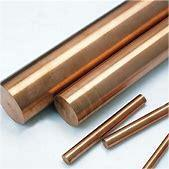
While you’re knee-deep in copper wire, you might encounter related products. A copper rod—often called rod copper—is used in welding, grounding, or as raw stock. For earthing, professionals use copper earth rod or copper bonded ground rod (steel core with copper cladding for strength and corrosion resistance). These aren’t meant to be stripped—they’re installed as-is.
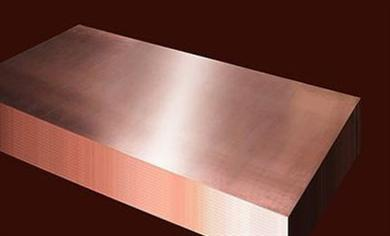
Copper strip—sometimes misspelled as ‘copper stip’ or ‘copper stripes’—comes in rolls (copper strip roll), flat sheets (flat copper strip), or specialty alloys like beryllium copper strip. Unlike wire, strips are usually bare and ready to use for bus bars, roofing (copper roof strip), or earthing (copper strip for earthing). If you see ‘copper strip near me,’ you’re likely looking for electrical or architectural suppliers—not scrap yards.
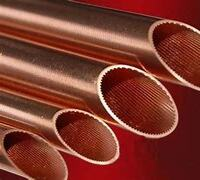
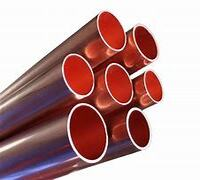
And yes, copper round bar and round bar copper are the same thing—solid cylindrical stock used in machining or fabrication. Not to be confused with copper tubing or aircon copper pipe, which serve entirely different purposes (like AC copper pipe for refrigerant lines).
6. Common Mistakes to Avoid
- Burning copper wire for scrap: Toxic, illegal in many places, and lowers copper value.
- Using pliers or teeth: Seriously? Just… no.
- Ignoring local scrap regulations: Some yards require proof of ownership for large copper lots.
- Mixing copper types: Bare bright, #1 copper, and #2 copper have different prices. Keep them sorted!
7. Bonus: Where to Sell or Reuse Your Stripped Copper
Scrap yards love clean, bare copper. Expect better rates for ‘bare bright’ (new-looking, unoxidized wire). Alternatively, repurpose it! Stripped copper wire can become jewelry, art, or even DIY grounding straps. And if you’ve got leftover copper rod or copper strip, check prices online—copper rod price and copper strip price fluctuate with the market (hello, 1oz copper price trends!).
8. Conclusion
Stripping copper wire doesn’t need to be a chore—or a hazard. With the right tools and techniques, you can recover clean, valuable copper quickly and safely. Remember: skip the fire, respect the metal, and sort smartly. Whether you’re salvaging from old appliances or prepping copper for a custom project, clean copper always wins. Now go forth and strip like a seasoned pro—with all ten fingers intact!
Our Website founded on October 17, 2012, is a high-tech enterprise committed to the research and development, production, processing, sales and technical services of ceramic relative materials such as How. Our products includes but not limited to Boron Carbide Ceramic Products, Boron Nitride Ceramic Products, Silicon Carbide Ceramic Products, Silicon Nitride Ceramic Products, Zirconium Dioxide Ceramic Products, etc. If you are interested, please feel free to contact us.