1. Introduction
Let’s be real: if you’ve ever tried to strip copper wire with a kitchen knife while balancing on a wobbly stool in your garage, you probably ended up with more band-aids than bare copper. Stripping copper wire sounds simple—just peel off the plastic, right? But unless you’ve got the patience of a saint and the dexterity of a surgeon, it can quickly devolve into a frustrating, finger-slicing fiasco. Whether you’re salvaging wire for scrap, prepping copper rod for welding, or just trying to recycle responsibly, this guide will show you how to strip copper wire efficiently, safely, and without turning your workspace into a crime scene.
2. Is Stripping Copper Wire Even Worth It?
Before you go full mad scientist with pliers and heat guns, ask yourself: is stripping copper wire actually profitable? Insulated copper wire fetches a lower price at scrap yards than clean, bare copper. However, the time, effort, and potential injury might not justify the extra few bucks per pound—especially if you’re dealing with small volumes. That said, if you’ve got hundreds of feet of THHN, Romex, or motor windings, stripping can significantly boost your payout. Plus, clean copper is easier to sell locally—try searching ‘copper strip near me’ or ‘copper bars for sale’ once you’ve processed enough to melt down or bundle.
3. Tools of the Trade: What You’ll Actually Need
Forget the butter knife. Real copper wire strippers come in many forms, and choosing the right one depends on your wire type and volume. For occasional DIYers, a manual wire stripper (the kind with numbered holes) works fine for standard gauges. But if you’re serious about stripping wire for scrap or recycling, consider these options:
- Manual rotary strippers: Great for long runs of consistent-gauge wire.
- Automatic wire strippers: Feed the wire in, and it strips and cuts in one motion—ideal for high volume.
- Thermal strippers (heat-based): Melt insulation cleanly without nicking the copper—but never burn copper wire for scrap! Burning releases toxic fumes and often ruins the metal’s resale value.
- Utility knives or razor blades: Only for emergencies, and please wear cut-resistant gloves.
4. The Best Way to Strip Copper Wire by Type
Not all copper wire is created equal. Here’s how to tackle the most common types without losing your sanity—or your copper.
4.1 Stripping Thin or Stranded Copper Wire
Think Ethernet cables, speaker wire, or appliance cords. These are usually easy to strip with basic hand tools. Use a manual stripper set to the correct gauge, squeeze gently, rotate, and pull the insulation off. Avoid pulling too hard—you don’t want broken strands. If you’re stripping wire for recycling and it’s too fine to bother with, some scrap yards accept ‘light copper’ (insulated) at a reduced rate.
4.2 Stripping Thick Copper Cable (Like 6 AWG or Larger)
This is where things get gnarly. Thick cables often have tough PVC or rubber jackets. Start by making a shallow spiral cut with a utility knife (rotate the cable as you pull), then peel back the insulation like a banana. For armored or multi-conductor cables, you may need to strip in stages. Pro tip: freeze the cable for 15 minutes first—cold insulation cracks more easily.
4.3 Stripping Copper Wire from Motors or Transformers
Motor windings are tightly wound and varnished, making them a pain to strip. Many recyclers accept whole motors as ‘#1 copper’ or ‘bare bright’ if they’re mostly copper. If you insist on stripping, use a heat gun to soften the enamel, then scrape with a wire brush. Don’t burn it—that’s illegal in many areas and degrades the copper.
5. Fast (But Safe) Methods for High-Volume Stripping
If you’re processing dozens of pounds weekly, efficiency matters. Invest in a bench-mounted automatic stripper—it pays for itself fast. Alternatively, some folks use modified drill-powered strippers (search YouTube at your own risk). Just remember: speed shouldn’t compromise safety. Always wear eye protection and keep fingers clear.
6. What NOT to Do When Stripping Copper Wire
Let’s address the elephant in the room: burning copper wire for scrap. Don’t. It’s dangerous, illegal in many places, and produces dioxins that harm you and the environment. Plus, scorched copper often gets downgraded or rejected by reputable buyers. Also, avoid using pliers to yank insulation—it stretches and breaks the copper, reducing its value. And no, soaking wire in acid isn’t a ‘clever hack’—it’s a one-way ticket to corroded, worthless metal.
7. From Stripped Wire to Copper Rod or Strip
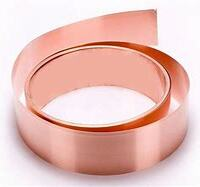
Once you’ve got clean copper, what next? You can bundle it for scrap, or get fancy: melt it down into copper ingot or cast your own copper round bar. For electrical uses, consider rolling it into flat copper strip or even beryllium copper strip for specialty applications. Need earthing components? Clean copper can be fashioned into copper earth strip (like 25x3mm) or used alongside copper bonded ground rods. And yes, there’s a market for nickel plated copper strip or 1mm copper strip rolls—check local industrial suppliers or online for ‘copper strip price’ trends.
8. Bonus: When You Don’t Need to Strip at All
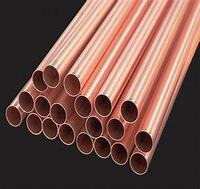
Sometimes, the best way to strip copper wire is… not to. Many scrapyards pay well for ‘#1 copper’ (clean, unalloyed, unburnt) even if it’s still insulated, as long as it’s >95% copper. Similarly, copper tubing from AC units (aircon copper pipe) or plumbing (15mm copper pipe, 22mm copper tube) often sells better intact than melted. Know your local market—search ‘ac copper pipe price’ or ‘copper rod price’ to compare values before you start cutting.
9. Conclusion
Stripping copper wire doesn’t have to be a chore worthy of Sisyphus. With the right tools, techniques, and a dash of patience, you can turn tangled messes into valuable, clean copper—whether you’re feeding it to a scrap yard, crafting custom copper strip, or prepping materials like copper brazing rod or copper to copper welding rod. Just skip the fire, protect your fingers, and always check if stripping is truly worth your time. After all, your future self (and your scrap dealer) will thank you.
Our Website founded on October 17, 2012, is a high-tech enterprise committed to the research and development, production, processing, sales and technical services of ceramic relative materials such as How. Our products includes but not limited to Boron Carbide Ceramic Products, Boron Nitride Ceramic Products, Silicon Carbide Ceramic Products, Silicon Nitride Ceramic Products, Zirconium Dioxide Ceramic Products, etc. If you are interested, please feel free to contact us.