1. Introduction
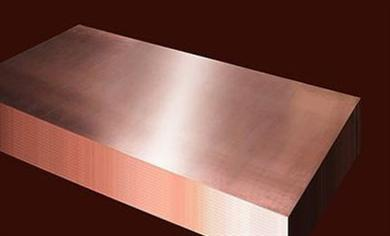
In the past 48 hours, recyclers across North America have reported a surge in demand for clean, stripped copper wire—driven by rising copper prices and new e-waste regulations taking effect in several states. With copper rod price and copper strip price climbing, more people are turning to wire stripping as a side hustle or cost-saving measure. But if you’ve ever tried stripping copper wire, you know it’s not always easy—especially without the right technique.

Stripping copper wire properly not only maximizes your scrap value but also ensures safety and compliance with recycling center rules. In this guide, we’ll show you the best way to strip copper wire—by hand or machine—and explain why methods like burning copper wire for scrap should be avoided at all costs.
2. Why Strip Copper Wire?
Recycling centers pay significantly more for bare copper than insulated wire. Clean, stripped copper can fetch up to 3x the price of insulated cable. Plus, many facilities now reject burnt or contaminated copper due to environmental regulations.
Whether you’re salvaging from old appliances, construction sites, or telecom cables, stripping wire correctly gives you access to high-value materials like copper strip wire, flat copper strip, or even beryllium copper strip used in electronics.
3. Tools You’ll Need
- Wire cutters or diagonal pliers
- Manual wire stripper (for small jobs)
- Automatic or bench-mounted copper wire stripper (for volume)
- Utility knife (use with extreme caution)
- Safety gloves and eye protection
Avoid using open flames or acid baths—burning copper wire for scrap releases toxic fumes and degrades the metal, lowering its resale value and violating EPA guidelines.
4. Best Way to Strip Copper Wire by Hand
For household wiring or short lengths, manual stripping is effective and low-cost.
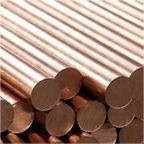
Start by cutting a small slit in the insulation with a wire stripper or utility knife—never cut into the copper itself. Rotate the wire and make a second cut about 2–3 inches down. Then, grip the insulation and pull it off cleanly.
For multi-strand wires, gently twist the strands after stripping to keep them intact. This method works well for stripping copper wire for scrap when dealing with NM (Romex) cable or appliance cords.
5. Fast Way to Strip Copper Wire Using Machines
If you’re processing large volumes—like stripping wire for recycling from demolition sites—an automatic wire stripper is worth the investment. These machines can handle everything from thin 1mm copper strip to thick 6-gauge cables in seconds.
Feed the wire into the machine, and rotating blades or rollers cleanly separate insulation from conductor. Look for models that handle both PVC and rubber coatings without damaging the copper underneath.
Some advanced units even sort copper by purity, helping you separate copper strip from copper alloy strip or nickel plated copper strip.
6. What NOT to Do: Burning and Chemical Stripping
Despite online rumors, burning copper wire for scrap is dangerous, illegal in many areas, and counterproductive. The heat oxidizes the copper surface, reducing conductivity and market value. It also releases dioxins and furans—harmful pollutants linked to serious health risks.
Similarly, chemical strippers may seem fast, but they often leave residues that contaminate the copper, making it unsuitable for high-grade recycling or resale as copper rod or copper round bar.
7. From Wire to Other Copper Products
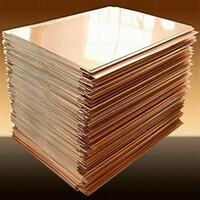
Once stripped, your clean copper can be sold as-is—or repurposed. Thin copper strips are often melted down to create copper ingot, copper bar, or flexible copper bus bar for electrical applications.
Don’t confuse stripped wire with purpose-made products like copper earth rod, copper bonded ground rod, or copper clad steel earth rod—these are engineered for grounding systems and made from solid rod copper or copper bonded steel, not recycled wire.
Similarly, copper strip for earthing (like 25x3mm copper earth strip) is manufactured to strict standards and shouldn’t be substituted with homemade strips.
8. Where to Sell or Repurpose Your Stripped Copper
Local scrap yards, metal recyclers, and electrical suppliers often buy clean copper. Search for ‘copper strip near me’ or ‘copper bars for sale’ to find buyers or reuse opportunities.
High-purity stripped wire can also be used to make custom copper strip roll, copper edging strip, or even copper tape for snails (a niche gardening use!). For industrial users, clean copper may feed into processes requiring copper to copper brazing rods or copper welding rod production.
9. Safety and Legal Tips
Always wear gloves and eye protection. Never strip live wires—ensure power is off and cables are discharged.
Check local laws: some jurisdictions require ID or documentation when selling scrap copper to prevent theft. Also, verify whether your material qualifies as pure copper or a copper alloy (like beryllium copper strip), as pricing differs significantly.
10. Conclusion
Stripping copper wire doesn’t have to be tedious or risky. With the right tools and techniques, you can efficiently recover valuable copper while staying safe and compliant. Whether you’re salvaging for profit or preparing materials for projects involving copper rod welding or earthing systems, clean, bare copper always delivers the best results—and the best price.
Our Website founded on October 17, 2012, is a high-tech enterprise committed to the research and development, production, processing, sales and technical services of ceramic relative materials such as How. Our products includes but not limited to Boron Carbide Ceramic Products, Boron Nitride Ceramic Products, Silicon Carbide Ceramic Products, Silicon Nitride Ceramic Products, Zirconium Dioxide Ceramic Products, etc. If you are interested, please feel free to contact us.