1. Introduction
In the past 48 hours, global copper prices have surged again due to supply chain disruptions in major mining regions, pushing scrap copper values to near-record highs. With copper rod price and copper strip price climbing, more people are turning to copper wire stripping as a quick way to cash in on recyclable materials. If you’ve got old cables, motors, or electrical waste lying around, knowing the best way to strip copper wire can turn that clutter into cash—safely and legally.
Stripping copper wire isn’t just about yanking off insulation—it’s about maximizing recovery, preserving copper quality, and avoiding hazardous methods like burning. This guide covers everything from choosing the right tools to understanding what types of copper (like rod copper, copper strip, or copper beryllium strip) fetch the best scrap rates.
2. Why Strip Copper Wire?
Raw insulated wire sells for far less than bare bright copper. Scrap yards pay top dollar for clean, unburned copper—often 2–3 times more than insulated or burnt wire. Stripping also ensures your material meets environmental regulations; many recyclers now reject burned wire due to toxic fumes from PVC insulation.
Common sources include:
- Household extension cords
- Appliance wiring
- HVAC copper lines (like aircon copper pipe scraps with attached wires)
- Industrial motor windings
- Telecom cables containing copper strip wire
3. Tools You’ll Need
The fast way to strip copper wire depends on volume and wire thickness:
- Manual wire strippers: Ideal for thin, single-conductor wires.
- Automatic wire stripping machines: Best for high-volume operations (e.g., stripping wire for scrap businesses).
- Razor blades or utility knives: Use cautiously for thick cables—but wear gloves!
- Heat guns (not open flames): Soften tough insulation without burning.
Avoid using fire. Burning copper wire for scrap releases dioxins and ruins copper purity, slashing its value and violating EPA guidelines in many regions.
4. Step-by-Step: How to Strip Copper Wire Safely
4.1. Sort Your Wire First
Separate wire types: THHN, Romex, coaxial, and motor magnet wire all require different approaches. Identify bare copper vs. tinned or alloyed strands (like nickel plated copper strip remnants). Pure copper—especially from copper rod for welding or copper round bar offcuts—fetches premium rates.
4.2. Choose Your Method Based on Gauge
For thin wires (<10 AWG): Use manual strippers. Cut a ring around the insulation, then pull it off cleanly.
For thick cables (e.g., 4/0 or building feeders): Slit lengthwise with a sharp blade, then peel back the sheath like a banana.
For bundled or armored cable: Remove outer jacket first, then strip individual conductors.
4.3. Clean and Bundle
After stripping, coil clean copper neatly. Remove any staples, tape, or steel shielding. Even small contaminants can downgrade your lot from ‘bare bright’ to ‘tinned copper,’ reducing payout.
5. What About Copper Rods and Strips?
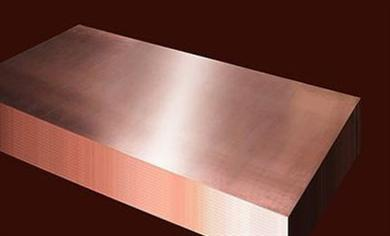
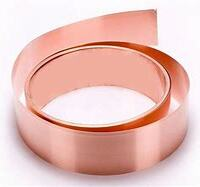
Don’t overlook other copper forms. Old copper earth rods, copper bonded ground rods, or even copper clad steel earth rods may contain recoverable copper layers. Similarly, flat copper strips—like 1mm copper strip, copper earth strip 25x3mm, or copper edging strip from roofing—can be recycled alongside wire.
Note: Copper bonded or copper clad items (e.g., copper clad steel ground rod) have lower copper content than solid rod copper. Always check with your scrap yard—they may price these differently than pure copper rod.
6. Maximizing Your Profit
Check local listings for ‘copper strip near me’ or ‘copper bars for sale’ to compare scrap rates. Prices fluctuate daily based on LME copper trends. As of this week, bare bright copper averages $3.80–$4.20/lb in the U.S., while insulated wire hovers around $1.50/lb.
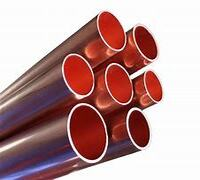
Also consider: Some recyclers accept copper tubing (like 15mm copper pipe or 22mm copper tube offcuts) and copper bus bars together with wire. Clean, unoxidized pieces—such as flexible copper bus bar or copper flat bar—add significant value.
7. Common Mistakes to Avoid
- Burning insulation: Destroys copper conductivity and violates laws in many states.
- Mixing metals: Aluminum mixed with copper lowers your entire batch’s grade.
- Skipping safety gear: Always wear eye protection and cut-resistant gloves.
- Ignoring local rules: Some cities require licenses for large-scale wire stripping.
8. Conclusion
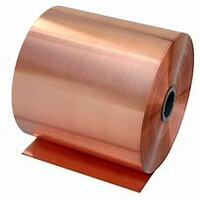
Stripping copper wire for scrap is a smart, eco-friendly way to earn extra cash—especially with copper prices rising. By using the best way to strip copper cable safely and efficiently, you protect both your profits and the environment. Whether you’re handling copper strip roll remnants, old copper pipework, or salvaged copper welding rod scraps, clean separation is key. Start small, invest in the right tools, and always sell to reputable recyclers who pay fair copper rod price and copper strip price.
Our Website founded on October 17, 2012, is a high-tech enterprise committed to the research and development, production, processing, sales and technical services of ceramic relative materials such as How. Our products includes but not limited to Boron Carbide Ceramic Products, Boron Nitride Ceramic Products, Silicon Carbide Ceramic Products, Silicon Nitride Ceramic Products, Zirconium Dioxide Ceramic Products, etc. If you are interested, please feel free to contact us.