1. Introduction
Stripping copper wire might seem simple, but doing it right can significantly boost your scrap value. Clean, bare copper—especially ‘bare bright’ wire—fetches top dollar at recycling centers. Yet many people still burn insulation or use inefficient tools, losing money and risking safety. This practical guide shows you the best way to strip copper wire, whether you’re handling a few feet or hundreds of pounds.
We’ll also clarify related terms like copper strip, copper strip wire, and copper rod so you know exactly what’s valuable—and what isn’t. Let’s get your copper ready for maximum return.
2. Why Proper Stripping Matters
Recyclers pay more for clean, unburned copper. Burning copper wire for scrap releases toxic fumes and damages the metal, lowering its grade and price. Plus, many scrap yards reject burned wire outright.
Stripped copper falls into categories:
- Bare bright: Clean, uncoated, untinned copper wire (highest value)
- #1 copper: Clean pipe or bus bar with no solder or attachments
- #2 copper: Includes some tarnish, solder, or light coating (lower value)
If you’re stripping wire from motors, appliances, or construction waste, your goal is bare bright or #1 copper.
3. Tools You’ll Need
The best way to strip copper wire depends on volume and wire type. Here’s what works:
- Wire strippers (manual): Ideal for small jobs or delicate electronics
- Automatic wire stripper: Great for consistent, fast results on uniform cables
- Razor knife or utility knife: Use carefully for thick insulation
- Rotary wire stripper or bench-mounted machine: Best for high-volume scrap operations
Avoid using pliers alone—they often nick the copper, reducing its value.
4. Step-by-Step: Manual Stripping Method
For occasional use or mixed wire types, manual stripping is reliable and safe.
1. Cut the wire into manageable 2–3 foot lengths.
2. Use wire strippers to grip the insulation near the end without cutting the copper inside.
3. Rotate the tool gently and pull the insulation off in one piece.
4. Inspect the copper: It should be shiny, clean, and free of nicks or residue.
5. Coil stripped wires by type (e.g., solid vs. stranded) for easier weighing and selling.
This method works well for stripping copper wire from household wiring, extension cords, or Ethernet cables.
5. Fast Methods for High-Volume Scrap
If you’re stripping wire for recycling regularly, invest in efficiency.
Automatic strippers can process 50–100 feet per minute. Feed the cable in, and the machine removes insulation cleanly. Some models even separate copper from aluminum in mixed cables.
For thick industrial cables, consider a rotary cutter that slits the jacket lengthwise, allowing you to peel it back easily.
Never rush by burning insulation—it’s illegal in many areas and destroys copper quality. The fast way to strip copper wire is with the right tool, not fire.
6. What About Copper Rods and Strips?
While this guide focuses on wire, you might also encounter other copper forms during scrapping.
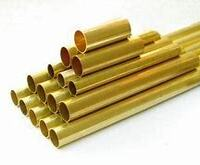
Copper rod (also called rod copper or copper round bar) is often used in electrical grounding or welding. Look for copper earth rod, earthing rod copper, or ground rod copper—these are usually solid and may be copper bonded or copper clad steel. Pure copper rods have higher scrap value than copper-bonded versions.
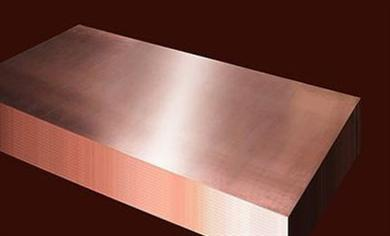
Flat copper pieces like copper strip, flat copper strip, or copper strip roll (including 1mm copper strip or beryllium copper strip) are common in transformers and switchgear. Nickel plated copper strip or copper alloy strip may require special handling—check with your recycler.
Don’t confuse copper strip with copper tape for snails (a gardening product)—that’s not scrap-worthy!
7. Where to Sell and What to Expect
Once stripped, take your copper to a licensed scrap yard. Call ahead to ask about their requirements—some want copper separated by type.
Prices vary daily. While you won’t find real-time copper rod price or copper strip price here, expect bare bright to sell for significantly more than insulated or burned wire.
Search ‘copper strip near me’ or ‘copper bars for sale’ if you’re buying—but for selling, focus on clean, sorted material.
8. Safety Tips
- Always wear gloves and eye protection.
- Work in a well-ventilated area.
- Never burn wire—inhaling PVC fumes causes serious health risks.
- Keep stripped copper dry and clean to maintain grade.
9. Conclusion
Stripping copper wire properly isn’t just about effort—it’s about profit and safety. By using the right tools and avoiding shortcuts like burning, you ensure your scrap fetches the best price. Whether you’re dealing with thin strands or thick cables, the best way to strip copper wire is cleanly, consistently, and without damaging the metal underneath. Now you’re ready to turn old wiring into real cash—safely and smartly.
Our Website founded on October 17, 2012, is a high-tech enterprise committed to the research and development, production, processing, sales and technical services of ceramic relative materials such as How. Our products includes but not limited to Boron Carbide Ceramic Products, Boron Nitride Ceramic Products, Silicon Carbide Ceramic Products, Silicon Nitride Ceramic Products, Zirconium Dioxide Ceramic Products, etc. If you are interested, please feel free to contact us.