1. Introduction
As of June 2024, global demand for high-conductivity grounding materials has surged due to increased infrastructure investments in renewable energy and data centers. According to a recent industry report published by Metal Bulletin on June 25, 2024, prices for copper bonded earthing rods have risen by 7% over the past quarter, driven by supply chain constraints and stricter electrical safety regulations worldwide. This makes understanding how to properly select, install, and maintain copper rod systems more critical than ever.
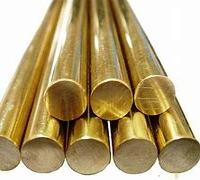
Copper rod is a versatile conductive material used across electrical, construction, and manufacturing sectors. Whether you’re installing an earthing system, performing copper to copper brazing, or sourcing copper round bar for busbars, choosing the correct type and handling it properly ensures safety, efficiency, and cost-effectiveness. This guide walks you through practical steps for common copper rod applications.
2. Selecting the Right Copper Rod Type
Not all copper rods serve the same purpose. Begin by identifying your application:
- For electrical grounding: Use copper earth rod, earthing rod copper, or copper bonded ground rod. These are often made from copper bonded steel or copper clad steel earth rod for enhanced durability and corrosion resistance.
- For welding or brazing: Choose copper brazing rod, copper welding rod, or copper to copper welding rod depending on the base metals and joint strength required.
- For industrial fabrication: Copper round bar or round bar copper is ideal for machining bus bars, connectors, or custom components.
Always verify conductivity ratings, tensile strength, and coating thickness—especially for copper bonded or copper clad variants. The earthing rod price varies significantly based on length (typically 2m to 3m), diameter (14mm–20mm), and whether it’s solid copper or copper bonded.
3. Installing a Copper Earth Rod for Grounding
Proper earthing protects equipment and personnel from electrical faults. Follow these steps to install a copper earth rod:
Step 1: Choose a location at least 6 feet away from building foundations and underground utilities. Soil with low resistivity (e.g., moist clay) works best.
Step 2: Drive the copper bonded earthing rod vertically into the ground using a hammer drill or manual driver. Leave 6–8 inches above grade for clamp attachment.
Step 3: Connect a bare copper conductor (e.g., #6 AWG) from your main grounding bar to the rod using an exothermic weld or listed mechanical clamp.
Step 4: Test ground resistance with a fall-of-potential tester. Acceptable values are typically below 25 ohms per IEEE standards.
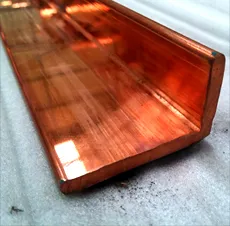
For enhanced performance in rocky terrain, consider multiple rods spaced at least twice their length apart and bonded together with copper strip for earthing.
4. Brazing and Welding with Copper Rods
Copper to copper brazing rods and welding rod copper require specific techniques due to copper’s high thermal conductivity.
For brazing: Clean surfaces thoroughly with wire brush and flux. Heat evenly until the copper brazing rod melts and flows into the joint via capillary action. Avoid overheating, which can cause oxidation.
For welding: Use a copper rod for welding that matches the alloy of the base metal. TIG welding with argon shielding gas is preferred. Preheat thick sections to 400–700°F to prevent cracking.
Never use standard steel welding rods on copper—always select copper welding rod or copper to copper welding rod designed for non-ferrous metals.
5. Working with Copper Strips and Related Components
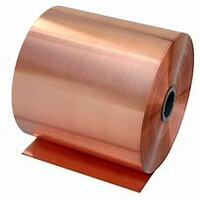
Copper strip is often used alongside copper rods in grounding grids, busbars, or lightning protection. Common types include flat copper strip, beryllium copper strip, and nickel plated copper strip.
When stripping copper wire for scrap or recycling, avoid burning copper wire for scrap—it releases toxic fumes and degrades value. Instead, use a wire stripper or rotary stripper for the best way to strip copper cable cleanly.
For earthing applications, copper earth strip 25x3mm is standard. Check local suppliers for copper strip price and availability; search ‘copper strip near me’ for quick sourcing.
6. Maintenance and Troubleshooting
Inspect copper earth rods annually for corrosion, especially in coastal or industrial areas. Replace if pitting exceeds 20% of the rod’s diameter.
If ground resistance increases over time, add supplemental rods or improve soil conductivity with bentonite backfill.
For welding joints that fail, check for contamination or inadequate preheating. Re-clean and re-braze using fresh copper to copper brazing rods.
7. Conclusion
Whether you’re installing a copper bonded ground rod for a solar farm, brazing copper tubing for HVAC systems, or fabricating flexible copper bus bars, selecting the right copper rod and following proper procedures ensures long-term reliability. With rising copper rod prices and evolving safety codes, informed decisions today prevent costly failures tomorrow.
Our Website founded on October 17, 2012, is a high-tech enterprise committed to the research and development, production, processing, sales and technical services of ceramic relative materials such as How. Our products includes but not limited to Boron Carbide Ceramic Products, Boron Nitride Ceramic Products, Silicon Carbide Ceramic Products, Silicon Nitride Ceramic Products, Zirconium Dioxide Ceramic Products, etc. If you are interested, please feel free to contact us.