1. Introduction
As of June 2024, global demand for high-conductivity copper materials has surged due to expanding renewable energy infrastructure and stricter electrical safety regulations. According to a recent report by the International Copper Association (ICA), installations of copper earth rods in solar farms and data centers have increased by 22% year-over-year—highlighting the critical role of reliable grounding components like copper rod and copper bonded earthing rod.
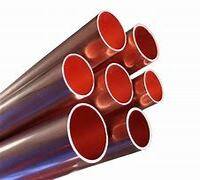
Whether you’re an electrician, welder, or DIY enthusiast, selecting the correct type of copper rod is essential for performance, safety, and cost-efficiency. This guide walks you through choosing and installing the right copper rod for earthing, welding, and electrical conduction—with practical steps, material comparisons, and solutions to common issues.
2. Understanding Types of Copper Rods
Not all copper rods serve the same purpose. The term ‘copper rod’ broadly includes several specialized forms:
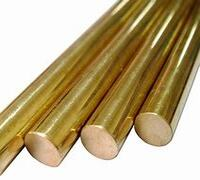
- Solid copper rod: Used in high-conductivity applications like busbars and electrical connectors.
- Copper bonded earthing rod: A steel core coated with a thick layer of copper (typically 0.25mm or more), offering strength and corrosion resistance at lower cost than pure copper.
- Copper clad ground rod: Similar to bonded rods but with a thinner copper layer, often used in less corrosive environments.
- Copper brazing rod and copper welding rod: Filler materials for joining copper components; ‘copper to copper brazing rods’ and ‘copper to copper welding rod’ are formulated for seamless metallurgical bonding.
Always verify whether your application requires pure copper (e.g., for conductivity) or a copper-coated steel alternative (e.g., for mechanical durability in grounding).
3. How to Install a Copper Earth Rod
Proper grounding is vital for lightning protection and electrical safety. Follow these steps to install a copper earth rod or copper bonded ground rod:
Step 1: Choose the right rod. For most residential and commercial projects, a 16mm diameter × 2.4m long copper bonded steel rod meets IEC 62561 standards. In highly corrosive soils, opt for solid copper rod or copper clad steel earth rod.
Step 2: Drive the rod vertically into the ground using a hammer drill or manual driver. Ensure at least 90% of its length is buried.
Step 3: Connect the grounding conductor (usually bare copper wire) to the rod using an exothermic weld or UL-listed clamp.
Step 4: Test earth resistance with a ground resistance tester. Values below 25 ohms are generally acceptable; lower is better.
Tip: Compare earthing rod price options—solid copper rods cost 3–4× more than copper bonded alternatives but last longer in aggressive soils.
4. Using Copper Rods for Welding and Brazing
When joining copper pipes or fabricating electrical components, selecting the correct filler rod is crucial:
- For plumbing repairs involving air conditioning copper pipe or standard copper tubing, use copper brazing rod with phosphorus content (e.g., BCuP-5) for self-fluxing action.
- For structural copper-to-copper joints, copper welding rod or copper to copper welding rod designed for TIG or oxy-acetylene processes ensures strong, conductive bonds.
Never use aluminum-based rods on copper—they create brittle intermetallic compounds. Always clean surfaces thoroughly before welding and preheat thick sections to avoid cracking.
5. Copper Strips vs. Rods: When to Use Which
While copper rod excels in linear conduction and grounding, flat copper strip (also called copperstrip or copper metal strips) is preferred for busbars, transformer windings, and earthing straps.
Common types include:
- Flat copper strip (e.g., 25x3mm for earthing): Ideal for low-resistance grounding runs.
- Thin copper strips (like 1mm copper strip or beryllium copper strip): Used in electronics and springs.
- Nickel plated copper strip: Offers enhanced solderability and corrosion resistance.
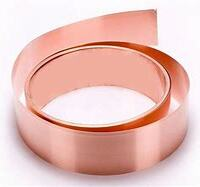
If sourcing locally, search ‘copper strip near me’ or ‘roll of copper strip’ for bulk pricing. Note that copper strip price varies significantly by alloy—beryllium copper strip costs far more than standard ETP copper.
Avoid burning copper wire for scrap—it releases toxic fumes and degrades value. Instead, use a wire stripper for clean recovery when stripping copper wire for recycling.
6. Troubleshooting Common Issues
Problem: Corrosion on copper earth rod after one year.
Solution: Replace with copper bonded steel or solid copper rod if soil pH is below 5 or above 9. Consider adding bentonite backfill to retain moisture and reduce resistance.
Problem: Weak joint when copper rod welding.
Solution: Ensure base metals are clean and use proper shielding gas (argon for TIG). Preheat to 200–300°C for rods over 6mm diameter.
Problem: High earthing resistance despite deep rod installation.
Solution: Install multiple rods spaced at least twice their length apart and bond them together. Alternatively, use a copper earth strip 25x3mm laid in a ring around the structure.
7. Conclusion
Choosing the right copper rod—or its alternatives like copper bonded ground rod, copper strip, or copper round bar—depends on your specific application’s electrical, mechanical, and environmental demands. Whether you’re grounding a substation, repairing aircon copper pipe, or fabricating a flexible copper bus bar, always prioritize material compatibility, proper installation, and compliance with local codes. With accurate selection and technique, copper-based components deliver decades of reliable service.
Our Website founded on October 17, 2012, is a high-tech enterprise committed to the research and development, production, processing, sales and technical services of ceramic relative materials such as How. Our products includes but not limited to Boron Carbide Ceramic Products, Boron Nitride Ceramic Products, Silicon Carbide Ceramic Products, Silicon Nitride Ceramic Products, Zirconium Dioxide Ceramic Products, etc. If you are interested, please feel free to contact us.