1. Introduction
Just 48 hours ago, a major U.S. scrap metal association issued an urgent advisory warning recyclers against burning copper wire—a practice still used by some to quickly remove insulation but now linked to toxic fume exposure and legal penalties. With copper prices holding strong near $8,500 per metric ton, properly stripping copper wire has never been more valuable or scrutinized.
If you’re handling old wiring, motors, or cables, knowing the best way to strip copper wire isn’t just about maximizing profit—it’s about safety, legality, and environmental responsibility. This guide gives you step-by-step methods to strip copper cleanly, avoid common mistakes, and understand how your stripped copper fits into the larger ecosystem of copper products like copper rod, copper strip, and grounding components.
2. Why Stripping Copper Wire Matters
Stripped bare copper fetches significantly higher prices at scrap yards than insulated wire. Clean, bare #1 copper can sell for over twice the price of insulated or mixed-grade wire. Plus, many recyclers now reject burned or contaminated copper altogether.
Beyond scrap value, properly stripped copper is often repurposed into high-demand items like copper rod for welding, copper earth rods, or flat copper strips used in electrical grounding and electronics.
3. Tools You’ll Need
- Manual wire strippers (for small jobs)
- Automatic wire stripping machines (for volume)
- Utility knife (use with caution)
- Heat gun (optional, for stubborn insulation)
- Safety gloves and goggles
Avoid using open flames, torches, or ovens—burning copper wire for scrap releases hazardous dioxins and violates EPA and local regulations in most regions.
4. Step-by-Step: Best Way to Strip Copper Wire
4.1. Sort Your Wire First
Separate types: THHN, Romex, coaxial, motor windings, etc. Only strip clean, unburned, non-alloyed copper. Avoid aluminum or copper-clad steel—these reduce your payout.
4.2. Use Manual Strippers for Small Batches
For household wiring or short lengths, use adjustable wire strippers. Cut a small slit in the insulation, then peel it back without nicking the copper inside. Damaged copper loses value.
4.3. Go Mechanical for Bulk Jobs
If you’re stripping wire for recycling regularly, invest in a benchtop or handheld automatic stripper. These can process hundreds of feet per hour and cleanly separate insulation from copper without damage.
4.4. Never Burn Copper Wire
Despite myths online, burning copper wire for scrap is illegal in most states and dangerous. It contaminates the copper with carbon residue, lowers conductivity, and creates toxic smoke. Scrap yards increasingly test for burn marks—and reject loads outright.
5. What Happens to Stripped Copper?
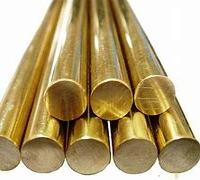
Once cleaned, your copper may be melted down into copper ingot, rolled into copper round bar, or drawn into copper rod. High-purity stripped wire is ideal for making copper brazing rod, copper welding rod, or even copper to copper welding rods used in industrial applications.
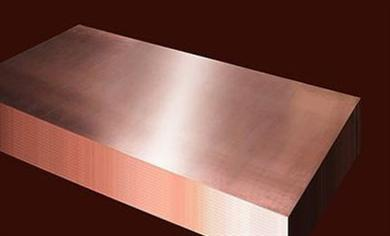
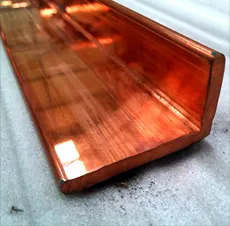
It can also be flattened into thin copper strips—like 1mm copper strip, beryllium copper strip, or nickel plated copper strip—for use in electronics, bus bars, or earthing systems. Flat copper strip is commonly sold as copper strip roll or copper metal strips for grounding and shielding.
6. Connecting to Other Copper Products
Your stripped copper might eventually become part of critical infrastructure. For example:
- Copper bonded earthing rod and copper clad ground rod are made using high-conductivity copper layers over steel cores.
- Copper strip for earthing (like 25x3mm) relies on pure copper sourced from recycled wire.
- Even aircon copper pipe and copper tubing used in HVAC systems begin as refined copper from scrap sources.
Understanding this lifecycle shows why clean stripping matters—not just for your wallet, but for product quality downstream.
7. Where to Sell and How to Maximize Value
Search for ‘copper strip near me’ or ‘scrap copper buyers’ to find certified recyclers. Bring only clean, sorted, bare copper. Ask about current copper rod price or copper strip price—they often correlate with LME rates.
Avoid middlemen who offer quick cash but underpay. Reputable yards will weigh your load transparently and pay based on real-time copper pricing, including for flexible copper bus bar or copper bars for sale derived from your scrap.
8. Conclusion
Stripping copper wire the right way protects your health, complies with environmental laws, and maximizes your return. Whether you’re salvaging from old appliances or construction sites, skip the shortcuts. Use proper tools, sort carefully, and never burn. The copper you recover today could become tomorrow’s copper earth rod, copper brazing rod, or even part of a new air conditioning copper pipe system—proving that responsible recycling powers real-world innovation.
Our Website founded on October 17, 2012, is a high-tech enterprise committed to the research and development, production, processing, sales and technical services of ceramic relative materials such as How. Our products includes but not limited to Boron Carbide Ceramic Products, Boron Nitride Ceramic Products, Silicon Carbide Ceramic Products, Silicon Nitride Ceramic Products, Zirconium Dioxide Ceramic Products, etc. If you are interested, please feel free to contact us.