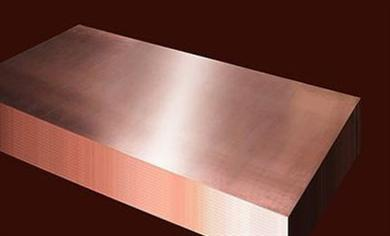
What is copper rod export for the electrical industry?
Copper rod export for the electrical industry is the process of shipping high-purity copper rods (typically 99.9% minimum) to manufacturers worldwide who use them to make busbars, connectors, switchgear, and winding components. We see this every day: a factory in Vietnam needs 8mm C11000 rods for their busbar line, and we arrange the export from our mill in Asia. It’s that simple. The product must meet strict international standards, and the logistics must be flawless. Here’s what you need to know.
What are the key international standards for copper rod?
You will hear two names constantly: ASTM B187 and C11000 (Electrolytic Tough Pitch) or C10100 (Oxygen-Free). ASTM B187 is the go-to specification for copper rod, bar, and shapes used in electrical conductors. C11000 is the workhorse – 99.9% copper with 0.04% oxygen for good conductivity. C10100 is oxygen-free, used when you need maximum ductility and no hydrogen embrittlement. We always recommend C11000 for general electrical applications unless your customer specifically demands oxygen-free. It’s cheaper and performs just as well in most environments.
What purity and conductivity levels are required?
Electrical industry buyers demand 99.9% minimum copper purity. That’s non-negotiable. Anything less and conductivity drops. Conductivity is measured in % IACS (International Annealed Copper Standard). For electrical grade copper rod, you need at least 100% IACS for C11000 and 101% IACS for C10100. We test every batch – if the reading falls below 100%, we reject it. No exceptions. Your customer’s busbars need to carry current without overheating, so purity is the foundation.
What dimensions and tolerances are common?
Common diameters for electrical components are 5mm, 8mm, 10mm, and 12.7mm (0.5 inch). But we also ship custom diameters from 3mm up to 50mm depending on the application – busbars often use larger diameters, while connector pins need smaller ones. Tolerances matter. For a 5mm rod, we hold ±0.05mm. For bigger diameters, ±0.1mm is standard. If you need tighter, we can do it, but expect a price premium. Always check the customer’s drawing before ordering.
What surface finish and temper options matter?
Surface finish affects downstream processing. Half-hard temper is most common for rods that will be machined or bent into connectors. Soft annealed is for deep drawing or winding applications where flexibility is key. We always ask: what is the final forming step? If they are threading the rod, half-hard gives better grip. If they are making a coil, go soft. And for export, we use anti-tarnish wrapping to keep the surface bright – oxidation during shipping is a real headache.
What logistics and documentation are needed for export?
Exporting copper rod requires a standard set of documents: Commercial Invoice, Packing List, Bill of Lading, and Certificate of Origin. Many buyers also want a Mill Test Certificate showing chemistry and conductivity results. We always include a fumigation certificate for wooden crates – customs loves to hold shipments without it. Plus, the HS code is 7407.10 (copper rods and profiles). Get that wrong and your shipment sits at the port for weeks. We handle all this for our clients, but if you’re doing it yourself, triple-check the paperwork.
Where are the best sourcing regions for copper rod export?
Right now, Asia (especially China, India, and South Korea) and Latin America (Chile, Peru) dominate copper rod export. Asia offers lower processing costs and faster lead times. Latin America has the advantage of proximity to copper mines and lower raw material costs. We source from both regions depending on the buyer’s port and urgency. For example, a buyer in Europe might prefer Latin America to save on freight, while a buyer in Southeast Asia gets better pricing from China.
What factors affect pricing?
Pricing is driven by three things: LME copper price (the base), processing fees (the mill’s margin), and freight costs. LME is volatile – we check it daily. Processing fees vary by mill; some charge more for small diameters or tight tolerances. Freight costs depend on container availability and fuel surcharges. We always quote based on the day’s LME plus a fixed processing fee, so the buyer knows exactly what they’re paying. Don’t get caught with a quote that’s a week old – LME can move 5% in a day.
How is quality control performed?
We run three tests on every export order: conductivity test (eddy current or DC resistance), tensile strength (to ensure it meets ASTM B187 minimums), and elongation (to confirm ductility). For surface finish, we do a visual inspection under good lighting. If a batch fails any test, we segregate it and re-melt. No shortcuts. We also provide a copy of the test results with the shipment – your customer will thank you.
What packaging is required for export?
Copper oxidizes quickly in humid environments. For export, we use anti-tarnish wrapping (VCI paper or plastic) around each rod bundle, then pack them in wooden crates lined with foam. Straps are steel for strength. We label each crate with the HS code, weight, and destination. If the shipment goes by sea, we add desiccant bags. Proper packaging prevents damage and ensures the rod arrives shiny. We’ve seen horror stories of rusted rods from poorly packed shipments – don’t be that exporter.
What are typical lead times and MOQs?
From major mills, lead times range from 2 to 6 weeks depending on order size and rod diameter. Standard diameters have shorter lead times. Minimum order quantities (MOQs) are usually 1 metric ton for common sizes, but can be 5 tons for custom diameters. Small orders (under 500 kg) are possible but the processing fee per kg will be higher. We advise planning ahead: if you need 5mm rod in a hurry, order early. The mills are busy.
What are the main applications of exported copper rod?
Copper rod from export goes straight into busbars for switchgear, electrical connectors for power distribution, winding components for transformers and motors, and switchgear parts like contacts and terminals. We also see it used in grounding rods and lightning protection systems. Every piece of copper rod we ship ends up carrying current somewhere. That’s why we never compromise on quality.
Ready to export copper rod? Let’s talk.
We’ve been in this business for over 20 years. We know the mills, the standards, and the logistics. If you’re looking for a reliable partner for copper rod export for the electrical industry, we can help. We’ll handle the sourcing, testing, documentation, and shipping – so you can focus on your customers. Contact us today for a quote. Tell us the diameter, quantity, and destination port, and we’ll have a price to you within 24 hours. Don’t wait – the next shipment is ready to move.
About CopperGroup
CopperGroup is a trusted global chemical material supplier & manufacturer with over 12 years experience in providing super high-quality copper and relative materials. The company export to many countries, such as USA, Canada,Europe,UAE,South Africa, etc. As a leading nanotechnology development manufacturer, CopperGroup dominates the market. Our professional work team provides perfect solutions to help improve the efficiency of various industries, create value, and easily cope with various challenges. If you are looking for copper products, please feel free to contact us!