1. Introduction
Just 24 hours ago, a major European data center operator announced a $200 million infrastructure upgrade focused entirely on lightning resilience—centered around advanced copper earthing systems using copper bonded ground rods. This move underscores a growing trend: as digital infrastructure expands, so does reliance on ultra-reliable grounding solutions built from high-conductivity copper rod materials.
While most people picture plumbing when they hear ‘copper,’ the metal’s role in electrical safety and precision joining is far more specialized—and far more vital. In this article, we’ll dive into two niche but high-stakes applications of copper rod: electrical earthing and copper-to-copper welding.
2. Copper Rod in Electrical Earthing Systems
In power substations, telecom towers, and even residential solar installations, the copper earth rod is the unsung hero of electrical safety. These rods—often made from solid copper or copper bonded steel—are driven deep into the soil to create a low-resistance path for fault currents and lightning strikes.
Pure copper rods offer superior conductivity but come at a higher copper rod price. That’s why many engineers opt for cost-effective alternatives like copper bonded earthing rods or copper clad steel earth rods. These combine the corrosion resistance of copper with the tensile strength of steel, making them ideal for rocky or high-moisture soils.
- Copper bonded ground rods typically feature a molecular bond between copper and steel, ensuring long life without flaking.
- For large facilities, flat copper strip—like 25x3mm copper earth strip—is often used alongside rods to interconnect grounding points.
- Always check local codes: some regions require minimum copper thickness (e.g., 0.25mm) for copper clad earth rods to qualify as ‘copper’ in compliance documents.
If you’re comparing earthing rod price options, remember that longevity often outweighs upfront savings. A cheap galvanized rod may corrode in five years; a quality copper bonded steel rod can last 40+.
3. Copper Rod for Precision Welding and Brazing
Beyond grounding, copper rod plays a starring role in joining copper itself—especially in HVAC and refrigeration systems. When repairing an aircon copper pipe or installing new AC copper lines, technicians rely on copper brazing rod or copper welding rod to create leak-proof, high-strength joints.
Copper to copper brazing rods are formulated with phosphorus or silver alloys to flow smoothly at lower temperatures than pure copper melts. This prevents warping of delicate 15mm copper tube or 22mm copper pipe during resoldering.
For field repairs, copper rod for welding must be clean, oxide-free, and matched to the base metal. Using a copper to copper welding rod ensures metallurgical compatibility—critical when working on pressurized lines carrying refrigerant.
Pro tip: Never use aluminum-based rods on copper. Stick with welding rod copper designed specifically for copper systems to avoid brittle joints.
4. From Scrap to Strip: The Recycling Loop
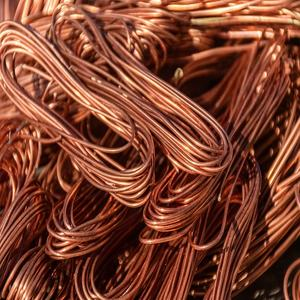
Interestingly, much of the copper rod and copper strip used today originates from recycled sources. Stripping copper wire for scrap is a common practice—but not all methods are equal.
Burning copper wire for scrap releases toxic fumes and degrades metal quality. The best way to strip copper cable is mechanically: using automatic strippers or manual tools that cleanly remove insulation without nicking the conductor.
Once stripped, the bare copper can be melted into ingots, rolled into copper round bar, or flattened into thin copper strips for use in bus bars or flexible copper bus bar assemblies.
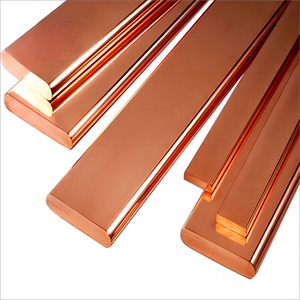
- Need flat copper strip? Look for nickel plated copper strip for enhanced corrosion resistance in marine environments.
- For DIY projects, a roll of copper strip (even 1mm copper strip) can be sourced by searching ‘copper strip near me’ or online suppliers.
- Avoid confusion: ‘copper stip’ and ‘copper stripes’ are common misspellings—correct terms include copper strip, copperstrip, or copper metal strips.
Recycling isn’t just eco-friendly—it helps stabilize copper rod price fluctuations caused by mining output and global demand.
5. Practical Considerations for Buyers and Technicians
Whether you’re sourcing a copper clad ground rod for a wind farm or copper pipe fittings for a residential retrofit, knowing your specs matters.
For earthing: Verify if your project requires solid copper rod or accepts copper bonded variants. Check copper earth strip 25x3mm price per meter when budgeting large grids.
For HVAC: Match copper pipe sizing (e.g., 3/4 copper tubing) with compatible copper brazing rods. Remember—air conditioner copper pipe price varies by wall thickness (Type L vs. M).
And if you’re handling scrap: Focus on fast, clean methods. The best way to strip copper wire preserves its resale value and avoids hazardous shortcuts.
6. Conclusion
From safeguarding billion-dollar data centers with copper bonded earthing rods to enabling flawless copper rod welding in split-system AC units, the humble copper rod proves its worth in highly specialized roles. Its blend of conductivity, ductility, and recyclability makes it irreplaceable—even as newer materials emerge. Whether you’re an electrician, welder, or recycler, understanding these niche applications ensures you’re using the right copper product for the job.
Our Website founded on October 17, 2012, is a high-tech enterprise committed to the research and development, production, processing, sales and technical services of ceramic relative materials such as Copper. Our products includes but not limited to Boron Carbide Ceramic Products, Boron Nitride Ceramic Products, Silicon Carbide Ceramic Products, Silicon Nitride Ceramic Products, Zirconium Dioxide Ceramic Products, etc. If you are interested, please feel free to contact us.