1. Introduction
As of June 2024, global demand for high-conductivity copper materials has surged due to increased investments in renewable energy infrastructure and data center grounding systems. Industry reports from the International Copper Association highlight a 12% year-over-year rise in orders for copper bonded earthing rods, driven by stricter electrical safety codes worldwide. In this context, understanding how to properly select, install, and maintain copper rods is essential for engineers, electricians, and DIY professionals alike.
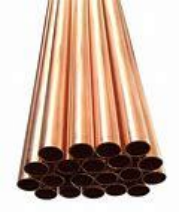
Copper rods serve critical roles across multiple sectors—from grounding electrical systems with copper earth rods to joining metal components using copper welding rods. This guide provides a clear, step-by-step approach to choosing the right copper rod for your specific application, installing it correctly, and avoiding common pitfalls.
2. Choosing the Right Copper Rod for Your Application
Not all copper rods are created equal. The first step is identifying your primary use case:
- For electrical earthing: Use a copper earth rod, copper bonded ground rod, or copper clad steel earth rod. These are designed for low-resistance grounding and corrosion resistance.
- For welding or brazing: Select a copper brazing rod or copper to copper welding rod depending on whether you’re joining similar metals or dissimilar alloys.
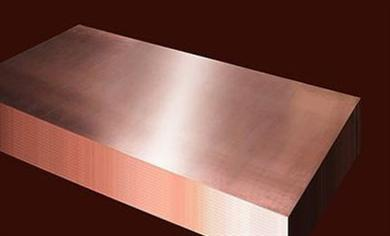
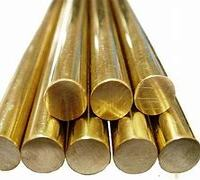
- For busbars or conductive components: Opt for copper round bar, flat copper strip, or flexible copper bus bar based on space and current requirements.
Key considerations include conductivity, tensile strength, and environmental exposure. For example, copper bonded steel combines the conductivity of copper with the mechanical strength of steel—ideal for rocky soils where pure copper rods might bend.
3. Installing a Copper Earth Rod Safely and Effectively
Proper installation ensures long-term performance and compliance with safety standards like IEEE 80 and IEC 62305.
Step 1: Choose the correct length and diameter. Standard copper earth rods range from 1.2m to 3m in length, with diameters of 10mm to 20mm. For high-resistivity soil, longer rods or multiple rods in parallel may be needed.
Step 2: Drive the rod vertically into the ground using a hammer drill or driving tool. Avoid striking directly on the copper tip—use a drive cap to prevent mushrooming.
Step 3: Connect the earthing conductor (typically bare copper wire or copper strip) using an exothermic weld or listed mechanical clamp. Never use solder alone for permanent connections.
Step 4: Test earth resistance with a ground resistance tester. Acceptable values typically fall below 5 ohms for sensitive installations like telecom or data centers.
Note: Copper bonded earthing rods and copper clad ground rods offer cost-effective alternatives to solid copper while maintaining >90% conductivity. Always verify the copper layer thickness—minimum 250 microns is recommended.
4. Using Copper Rods for Welding and Brazing
When joining copper components, selecting the right filler rod is crucial for joint integrity.
For copper to copper brazing, use copper to copper brazing rods with phosphorus-based flux (often self-fluxing). These melt around 700–800°C and create strong, leak-proof joints without additional flux in many cases.
For welding dissimilar metals or thicker sections, a copper welding rod with manganese or silicon additives improves fluidity and reduces cracking. Ensure proper preheating (200–400°C) to minimize thermal stress.
Always clean surfaces thoroughly before welding—remove oxides with a stainless steel brush and degrease with acetone. Poor surface prep is the leading cause of failed copper rod welding.
5. Stripping and Recycling Copper Wire and Strip
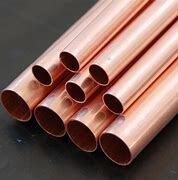
Recovering copper from scrap remains economically viable, but methods matter.
The best way to strip copper wire is with a manual or automatic wire stripper—never burn insulation, as it releases toxic fumes and degrades copper quality. Burning copper wire for scrap is illegal in many jurisdictions and reduces resale value.
For stripping copper cable quickly, use a rotary wire stripper for large volumes. When dealing with copper strip wire or thin copper strips, precision cutters prevent kinking.
Flat copper strip, beryllium copper strip, and nickel plated copper strip should be sorted by alloy before recycling. Prices vary significantly—check local listings for ‘copper strip near me’ or ‘copper strip price’ to maximize returns.
6. Maintenance and Troubleshooting Common Issues
Common problems include corrosion at connection points, loose clamps, and rod displacement.
- Inspect earthing rods annually for green patina or flaking—this indicates oxidation but isn’t always problematic unless resistance increases.
- Tighten mechanical clamps every 2–3 years; thermal cycling can loosen connections over time.
- If earth resistance rises unexpectedly, check for soil drying or nearby construction that may have disturbed the rod’s contact with earth.
For copper round bar or copper bus bar used in panels, ensure torque specifications on lugs are followed to prevent overheating.
7. Conclusion
Whether you’re installing a copper earth rod for lightning protection, brazing with copper to copper welding rods, or recycling copper strip, understanding material properties and proper techniques ensures safety, efficiency, and cost savings. Always prioritize certified products—such as copper bonded steel or copper clad earth rods from reputable suppliers—and adhere to local electrical codes. With copper prices fluctuating (check current copper rod price or 1oz copper price for reference), investing in correct installation the first time avoids expensive rework.
Our Website founded on October 17, 2012, is a high-tech enterprise committed to the research and development, production, processing, sales and technical services of ceramic relative materials such as How. Our products includes but not limited to Boron Carbide Ceramic Products, Boron Nitride Ceramic Products, Silicon Carbide Ceramic Products, Silicon Nitride Ceramic Products, Zirconium Dioxide Ceramic Products, etc. If you are interested, please feel free to contact us.