1. Introduction
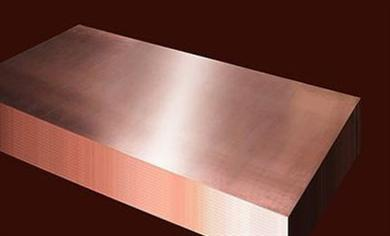
As of May 2024, global copper prices remain high due to strong demand in renewable energy and EV infrastructure—making copper scrap more valuable than ever. In fact, just 48 hours ago, the London Metal Exchange reported a 3% weekly surge in copper futures, reigniting interest in efficient copper recovery methods among DIYers and recyclers alike.
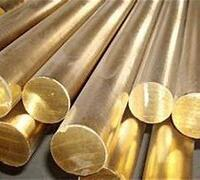
If you’ve got old wiring, motors, or cables lying around, stripping copper wire properly can significantly boost your scrap payout. But not all methods are equal—or legal. Burning insulation, for example, is banned in many areas due to toxic fumes. This guide walks you through the best ways to strip copper wire safely, quickly, and profitably.
2. Why Strip Copper Wire at All?
Clean, bare copper fetches a much higher price than insulated wire. Scrap yards often pay double—or more—for stripped copper versus mixed cable. Plus, clean copper is easier to recycle into new products like copper rod, copper strip, or even copper bonded earthing rods.
Stripping also helps identify copper grade: #1 bright copper (clean, unalloyed) vs. #2 copper (tarnished or mixed). The cleaner your material, the better your return.
3. Tools You’ll Need
- Manual wire strippers (for small jobs)
- Automatic or benchtop wire strippers (for volume)
- Utility knife (use with caution)
- Heat gun (optional, for stubborn insulation)
- Safety gloves and eye protection
Avoid using open flames or torches—burning copper wire for scrap releases hazardous dioxins and is illegal in most U.S. states and EU countries.
4. Best Way to Strip Copper Wire by Hand
For short lengths or household wiring, manual strippers work great. Choose strippers sized for your wire gauge (e.g., 12 AWG, 10 AWG).
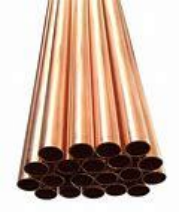
Cut a small slit in the insulation, then twist and pull it off. Don’t nick the copper inside—that reduces its value. If the wire is stranded, be extra gentle to avoid fraying.
This method is ideal for stripping copper wire from appliances, extension cords, or HVAC units (which often contain aircon copper pipe and control wiring).
5. Fast Way to Strip Copper Wire for Bulk Scrap
If you’re processing hundreds of feet—say, from demolition or industrial equipment—an automatic wire stripper is worth the investment. These machines feed cable in one end and spit out clean copper and separated plastic.
Look for models that handle multiple gauges. Some even process coaxial or armored cable. For recyclers, this is the most efficient way to prepare material for sale as stripped copper wire or to repurpose into copper strip roll or flat copper strip.
6. What NOT to Do: Avoid Burning or Chemical Stripping
Burning copper wire for scrap might seem quick, but it’s dangerous and environmentally harmful. The PVC insulation releases chlorine gas and hydrochloric acid when burned—posing serious health risks.
Chemical strippers exist but are rarely cost-effective and can corrode the copper. Stick to mechanical methods for safety and purity.
7. Turning Stripped Copper into Higher-Value Products
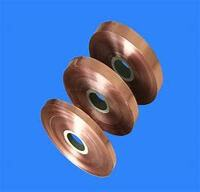
Once stripped, your copper can be sold as-is—or upgraded. Clean copper wire can be melted into copper ingot, drawn into copper rod for welding, or rolled into thin copper strips for electronics or earthing applications.
For example, copper strip for earthing (like 25x3mm earth strip) or copper beryllium strip used in connectors both start with high-purity scrap. Even copper bonded steel ground rods rely on recycled copper cladding.
If you’re near an industrial supplier, ask about ‘copper strip near me’ or ‘copper bars for sale’—some facilities buy clean scrap to produce flexible copper bus bar or nickel plated copper strip.
8. Pricing Tips: Know What You Have
Check local scrap rates before selling. Prices vary by form:
- Bare bright copper wire: highest value
- Copper rod price and copper round bar: typically sold by metal suppliers, not scrap yards
- Copper strip price depends on thickness (e.g., 1mm copper strip) and alloy (beryllium copper strip costs more)
- Copper bonded ground rod or copper clad earth rod aren’t scrap—they’re manufactured products; don’t confuse them with raw material
Also, note that copper pipe (like 15mm copper tube or 22mm copper pipe used in AC systems) is usually sold separately from wire. Don’t mix them unless your yard allows it.
9. Final Safety & Legal Reminders
Always wear gloves—copper edges can be sharp. Work in a well-ventilated area. And never strip live wires! Disconnect power sources first.
In many regions, you need ID to sell scrap metal. Keep records if you’re doing this regularly.
10. Conclusion
Stripping copper wire doesn’t have to be tedious or risky. With the right tools and techniques, you can safely recover valuable copper for scrap or reuse—whether it ends up as copper strip, copper rod, or recycled into new earthing components like copper clad steel ground rods. Skip the shortcuts like burning, focus on clean separation, and you’ll get the best return while staying eco-friendly.
Our Website founded on October 17, 2012, is a high-tech enterprise committed to the research and development, production, processing, sales and technical services of ceramic relative materials such as How. Our products includes but not limited to Boron Carbide Ceramic Products, Boron Nitride Ceramic Products, Silicon Carbide Ceramic Products, Silicon Nitride Ceramic Products, Zirconium Dioxide Ceramic Products, etc. If you are interested, please feel free to contact us.